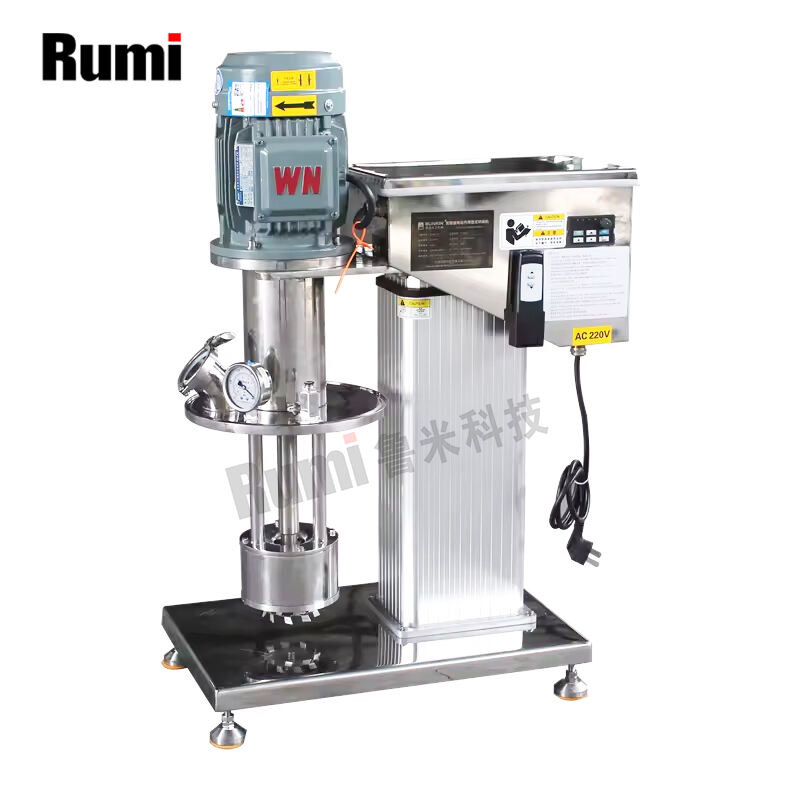
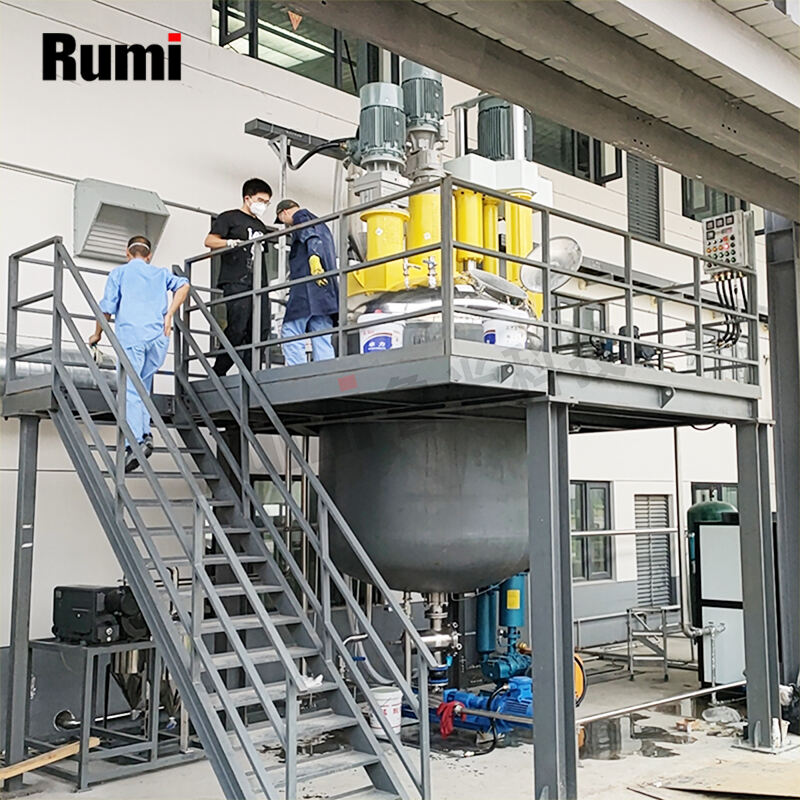
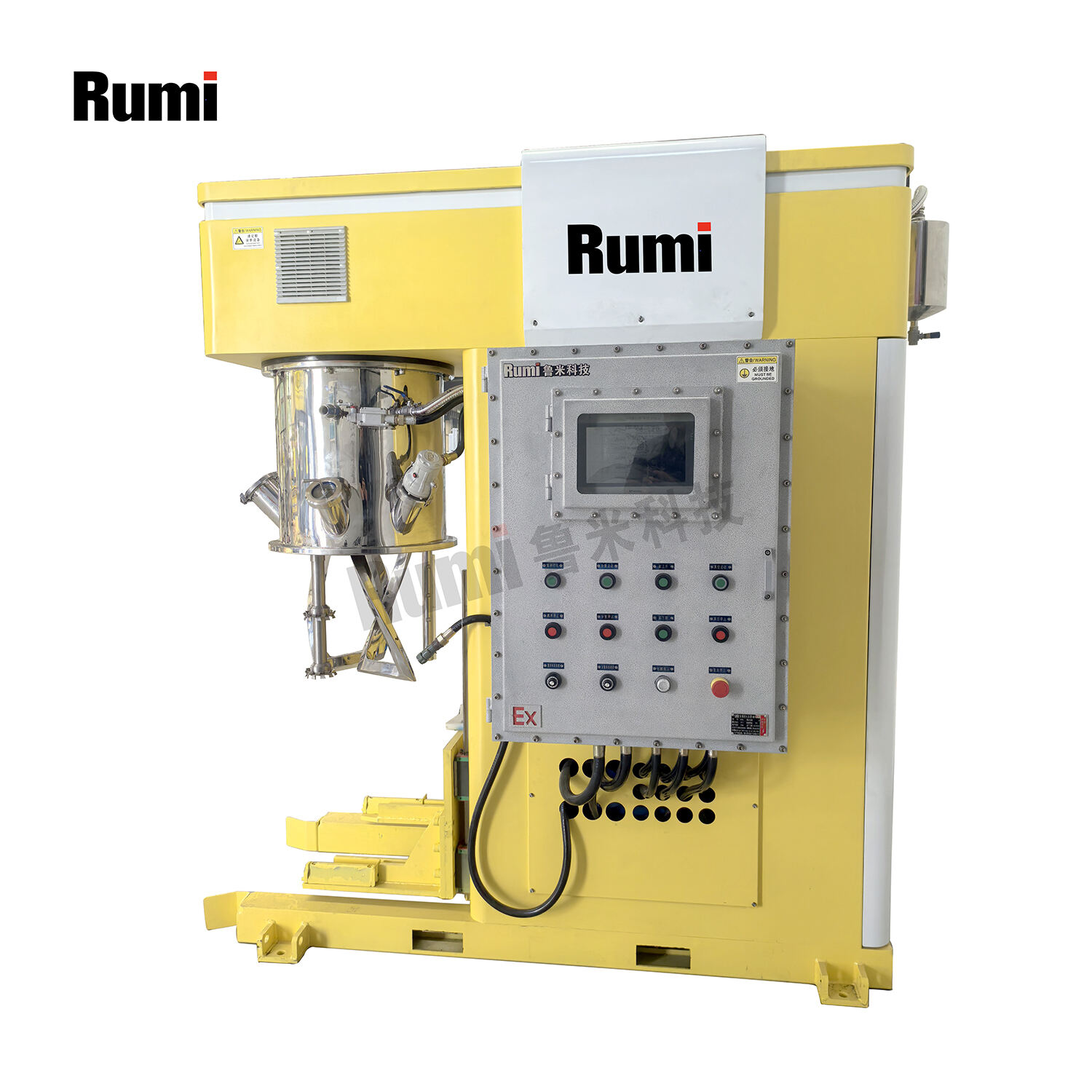
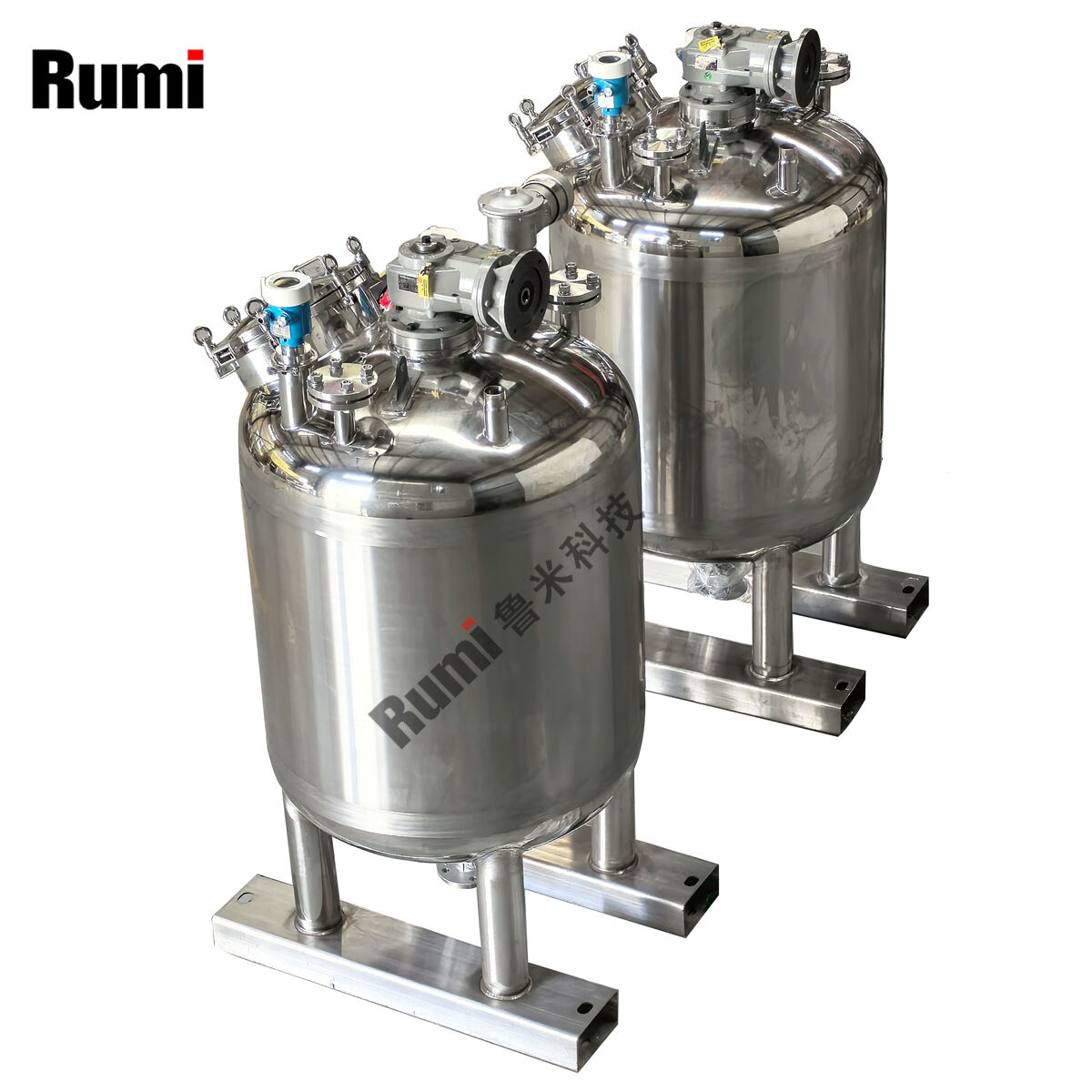
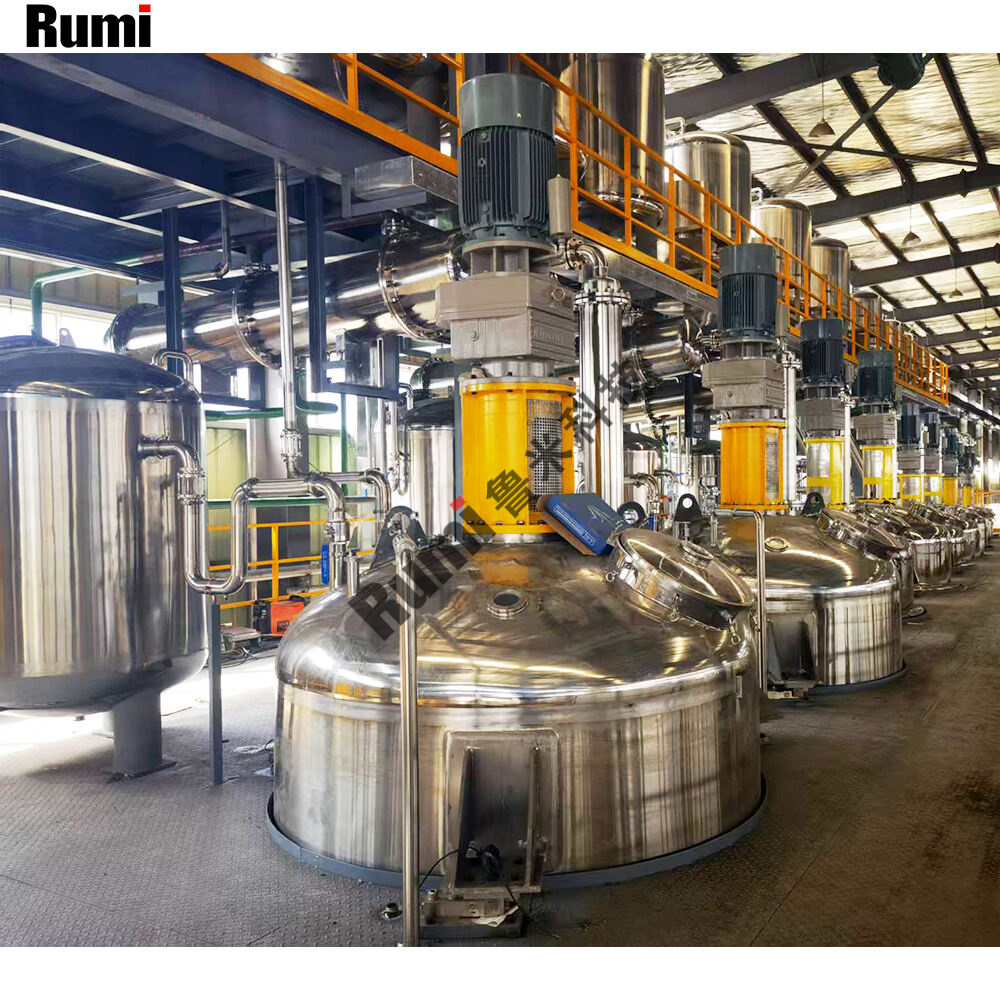
Polymerization reactors are specialized machines in factories that make plastics and other useful materials. These reactors aid in converting small molecules, known as monomers, into long chains, called polymers. This is a significant sequence of events, because polymers are the basic stuff that makes up a lot of what we touch and use in our daily lives, whether it’s plastic bottles or clothing or even parts of cars. At Rumi, we specialize in making polymerization reactors that are both high performing and long lasting. We have machines that are working with polymers of several kinds, and we provide help to manufacturers in producing good products. The following is a brief primer on these reactors that can help buyers make informed decisions when shopping for new equipment to boost their production capabilities.
The polymerization reactor is like one great big mixing vessel in which chemical reactions occur to make polymers. There are different types of these reactors, for example batch reactors, continuous stirred tank reactors or tubular reactors, the choice depending on the type of polymer that is required. At Rumi, we develop reactors which can be modified to produce 100s of different types of polymers” they are flexible for many industries.” The ability to process in volume is a major plus for wholesale customers, since it means more product faster. This will, in turn, save on funds and lead to greater efficiency. Plus, our reactors are built with very sturdy materials that don’t corrode or heat up as quickly, so they have a longer service life and require fewer repairs. Instead, purchasers enjoy better value because our equipment operates well and requires a minimum of downtime. It’s hard to get polymerization just right, because it involves a delicate balance of temperature and pressure. Rumi’s reactors have smart controls to maintain stability, helping a maker avoid the kind of errors that can spoil a product. And since we build reactors that are clean and easy to maintain, our customers save time and money on maintenance. Another advantage is safety. Polymer reactions can be exothermic and some gases may be released, however the reactors are designed for safety and to prevent accidents. In short, wholesale buyers who decide on Rumi’s polymerization reactors receive machines that are rugged, efficient, safe and adaptable to a range of needs. For specific mixing needs, we also offer advanced equipment like the Vacuum Double Planetary Mixer that complements polymerization processes.
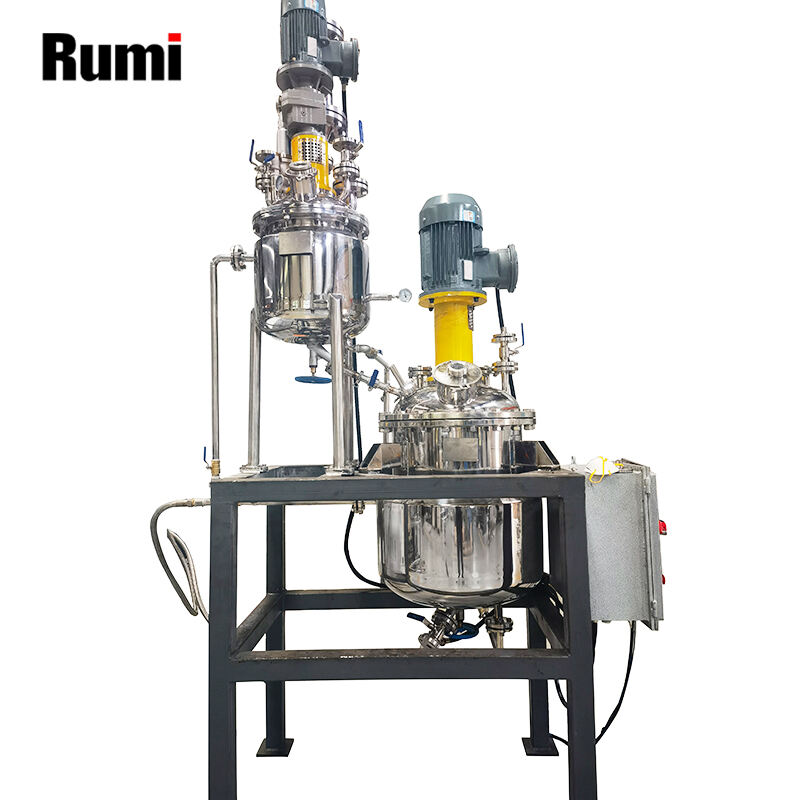
Running a polymerization reactor is not so easy. There are a lot of things that can go wrong along the way, but if you know what to look for it really does make a big difference. One common problem is overheating. If the chemical reaction accelerates too much, for instance, the reactor can overheat and cause damage or result in bad quality polymer. At Rumi, we install cooling systems and temperature sensors that notify operators if things get too hot. At times, the polymer produced can adhere to the side walls of the reactor and cause a reduced flow with diminished production. That accumulation, known as fouling, occurs when the reaction is not well-controlled or the materials are sticky. Our reactors are designed with smooth surfaces and mixing configurations to minimize sticking, and we even suggest cleaning frequencies to ensure that your machine runs clean. Another issue is pressure changes. If reactor pressure is too low or high, the polymer chains may fail to form properly. Rumi’s reactors are equipped with pressure monitors and valves that snap to a new setting under pressure, adjusting on the fly to maintain steady conditions, which allows for more consistent products. The reactor’s parts sometimes wear out with regular use. Rumi makes tough stuff with exacting manufacturing processes, which means minimal wear and tear, less downtime for repairs. Also, having well-trained operators matters a lot. Similarly, the best reactor in the world could run poorly if the operators don’t know how to set things up or deal with difficulties. That’s why Rumi provides support and guidance to help customers learn how to use the reactors correctly. Quickly fixing these problems saves money and keeps production on schedule. While running a polymerization reactor can be touchy, the proper design and care will help ensure things go smoothly (and safely). With Rumi's experience, buyers are able to avoid these headaches and enjoy a steady production process. For laboratory scale or smaller batch processes, we recommend checking out our Laboratory Vacuum Double Planetary Mixer which offers precise control and mixing capabilities.
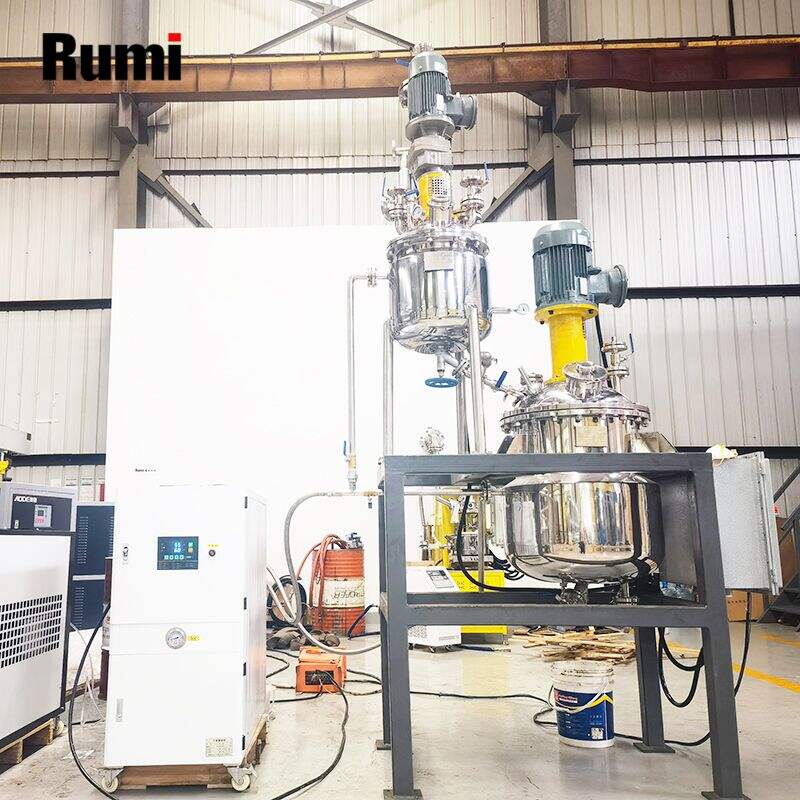
Polymerization reactors are machines of great significance, which manufacture polymers — materials composed by many small parts called monomers added together. These polymers are ubiquitous, found in plastic bottles and clothing, toys and some medicines. Thanks to polymerization reactors, it’s relatively easy to produce these useful materials safely and in a controlled manner. We do understand the importance of these reactors at Rumi, since it is with them that we are able to produce polymers up to a very high quality standard and safety. The reactor is a special mixing pot in which chemical reactions take place under carefully controlled conditions. Which is to say, temperature, pressure and mixing speed are all kept just right. When these factors are well controlled, the polymers emerge in the right size, shape and strength. If the reactor is malfunctioning, the polymers may be weak, nonuniform or have other issues that make them less valuable. In addition, polymerization reactors serve to develop polymers faster and in greater quantities. That’s significant for an industry that requires a lot of material, like companies in packaging or automotive. The reactors help limit waste, and make the entire process safer for workers and the environment. Rumi’s polymerization reactors are carefully balanced to keep everything flowing straight so the two types of chemicals react as they should and create the best polymers possible. In summary, polymerization reactors are the engine room in making polymers of value. They ensure that the things we use every day are sturdy, dependable and safe. Without such reactors, it would be exceedingly difficult to produce the polymers that have become essential to modern life. Additionally, our 100 Litres Polymerization Reactor model is designed for mid-scale production with excellent reliability.
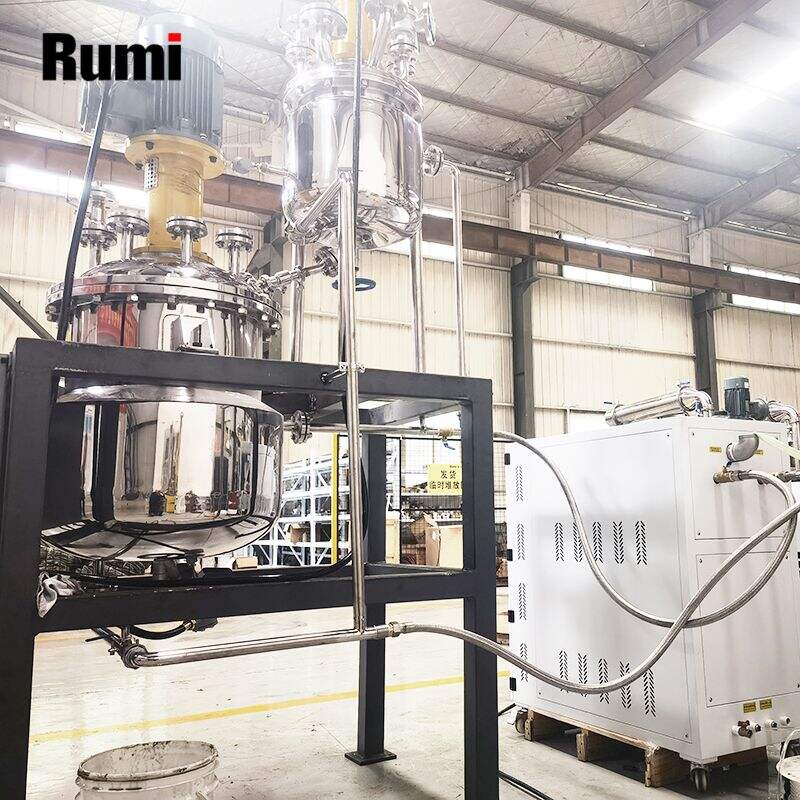
Plenty of things can affect how well a polymerization reactor operates, particularly in large plants that produce massive quantities of synthesized plastic. Here at Rumi, we monitor these variables carefully—it turns out that small differences can cause abrupt shifts in the end product. One important factor is temperature. The chemical reactions inside the reactor have to occur at a precisely correct temperature, so that the monomers will combine correctly. If it’s too hot or cold, the reaction could slow down or create polymers with unwanted properties. Another key factor is pressure. Some polymerization reactions work best under high pressure, others don’t. Careful control of pressure helps keep the reaction stable and ensures that polymer chains grow to the correct size. Mixing is also very important. Monomers and other chemicals are mixed evenly in the reactor, to ensure all parts have an equal opportunity to react. Unequal mixing may leave the polymer's components different, which reduces quality. The performance is also dependent on the type of reactor used. Some may be better suited than others to handle certain reactions. At Rumi, we pick the reactor style that works for the polymer we are looking to make. For instance, some reactors are ideal for producing plastics that make up bottles, while others are better for fibers used in clothing. The materials the reactor is made out of also matter. The interior of the reactor has to withstand chemicals and heat for an extended period, to keep the process safe. Finally, how operators control the reactor matters a lot. Experienced operators at Rumi kept close tabs on the process and occasionally adjusted settings as needed to ensure everything flowed smoothly. Balancing all of these factors is a challenge on the factory floor — but it’s what makes it possible to churn out high-quality polymers reliably.
Training technical support high-end level provided prior sale. polymerization reactor requirements users process requirements jointly create users how select sealing material, mechanical shaft seals, cooling heating methods more.
reasonable scientific design mixing paddle, variety combinations designs provide users variety choices mixing well shearing ( polymerization reactor) well homogenization (emulsification) grinding.
RUMI ISO9001, CE, other polymerization reactor like CE, ISO9001, more. Additionally, we got 6 patents, High precision suspension measuring scale, Vacuum anti-corrosion mixer, Pleantary Mixer, Butterfly Mixer, multi-functional dispersing mixing equipments. It's classified ""National High-tech Enterprise" "Specialized Professional Enterprise"
RUMI's primary products dispersing machines, mixing equipment polymerization reactor equipment, mixing equipment, reactors, storage tanks, ultra-precision metering batching systems powders liquids EPC general contracting automated, intelligent production lines.
 EN
EN
 AR
AR
 BG
BG
 HR
HR
 CS
CS
 DA
DA
 NL
NL
 FI
FI
 FR
FR
 DE
DE
 EL
EL
 IT
IT
 JA
JA
 KO
KO
 NO
NO
 PL
PL
 PT
PT
 RO
RO
 RU
RU
 ES
ES
 SV
SV
 TL
TL
 ID
ID
 LT
LT
 SR
SR
 SK
SK
 SL
SL
 VI
VI
 HU
HU
 TH
TH
 TR
TR
 FA
FA
 MS
MS
 BE
BE
 IS
IS
 AZ
AZ
 BN
BN
 EO
EO
 LA
LA
 MN
MN