EN
EN
 AR
AR
 BG
BG
 HR
HR
 CS
CS
 DA
DA
 NL
NL
 FI
FI
 FR
FR
 DE
DE
 EL
EL
 IT
IT
 JA
JA
 KO
KO
 NO
NO
 PL
PL
 PT
PT
 RO
RO
 RU
RU
 ES
ES
 SV
SV
 TL
TL
 ID
ID
 LT
LT
 SR
SR
 SK
SK
 SL
SL
 VI
VI
 HU
HU
 TH
TH
 TR
TR
 FA
FA
 MS
MS
 BE
BE
 IS
IS
 AZ
AZ
 BN
BN
 EO
EO
 LA
LA
 MN
MN


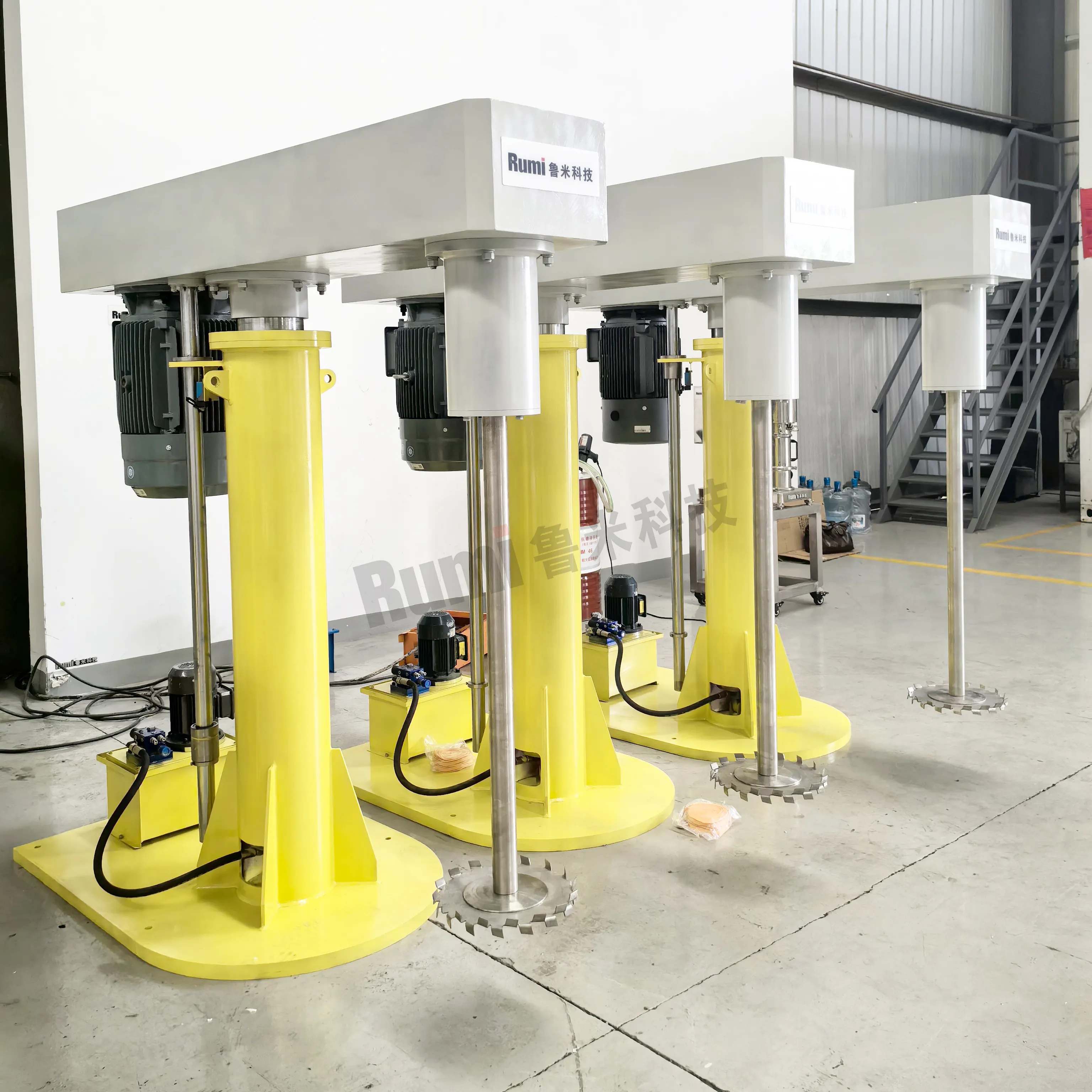
The Anti-corrosive coating is a valuable product to protect the metal structures against unfavorable circumstances which are applicable in the marine industry, oil and gas, infrastructure and manufacturing. The mixing process plays a significant role in the functioning of these coatings that may be described by the ability to generate a continuous defect-free moisture, chemical and oxidation resistant barrier. Suboptimal mixing can result in uneven pigment dispersion, additive segregation or entrained air both of which are corrosion inhibitory.
Critical Conditions of Anti- Corrosive Coating Blending
Unlike other building finishes, anti-corrosive finishes need fineness of mix in order to achieve its effectiveness. First, there should be even distribution of anti-corrosive pigment (e.g., zinc-rich, chromate-free) because otherwise, any form of agglomeration will create weak areas in the dried film, which will admit corrosion to it. Secondly, the viscosity should also be maintained at a consistent level because either excessively thin and excessively thick coating do not form the required film thickness that is applicable in the long term to protect it. Thirdly, the best air entrapment in the mixing process is to be minimum since the bubbles in the coating produce pinholes and reduce the water resistance that is one of the properties of good anti-corrosive coating. Finally, adaptability to the diverse formulations (solvent-based, waterborne, high-solids) is the top priority because any anti-corrosive systems are different in terms of material.
Major Enhancements of Rumi Industrial Mixing Machines
The industrial mixers of Rumi integrate the contemporary mixing, dispersing and emulsifying technologies to directly satisfy the special needs of the anti-corrosive coating production. The machinery employed will give good dispersion of the pigments and additives, no agglomerations will be formed and the dispersion will be uniform across the formulation the uniformity is what forms the foundation of the formation of a reliable corrosion barrier. The machines are adjusted to the speed to ensure that there is no excess shear to prevent the destruction of the delicate ingredients by the formation of vortex to add air bubbles.
In addition, mixers of Rumi are supposed to receive the thick formulations typically employed in anti-corrosive finishes that can mix in thick pigments and fillers. The high drive systems and optimized design of agitators ensure that the quality of batches to batches is uniform, which is a significant requirement of infrastructure project manufactures on a large scale since the performance of coating should be brought to the hard standards expected of the industry.
Beyond Mixing: Full Support of the Anti-Corrosive Coating Production
It is necessary to note that the proper manufacturing of anti-corrosive coating does not only imply quality mixing equipment but rather puts the company on a larger scale and in this regard Rumi offers solutions to the industry. Our engineering design will include integration of mixing systems in the current production lines, onsite installation and project management. We work with customers to adjust mixing parameters such as stirring rate, tank size and feeding system to their specific formulation demands be it waterborne marine coating or solvent based industrial maintenance coating.
The technical assistance and maintenance also continue to ensure that the mixing equipment operate at their full potential which reduces the periods of downtime and preserves product quality. The special mixing technology and the provision of a large array of services will allow the Rumi to facilitate the production of the anti-corrosive coating in order to enhance their production capacity and provide high performance products, which have the capacity to withstand the corrosive environment.