 en
 vi
 it
 es
 tr
 ja
 pt
 nl
 ru
 fr
 de
 pl
 ar
News
Latest news and events.




Industrial liquid dosing requires more than a pump that delivers a target volume. Chemical manufacturers, process engineers, and automation integrators must control delivery consistency, accommodate changing liquid properties, and maintain reliable operation across production batches. Conventional metering arrangements can experience flow fluctuations, measurement deviations, manual setting errors, and material waste when the equipment is poorly matched to the process.
A liquid high precision metering system addresses these challenges by coordinating liquid delivery, measurement, flow regulation, and process control. Its actual performance, however, depends on the metering principle, pump characteristics, liquid viscosity, piping layout, operating pressure, and control strategy. Understanding these factors helps buyers select equipment that meets production requirements rather than relying on general claims of high accuracy.
For procurement teams evaluating a Liquid high precision metering system manual or comparing a Liquid high precision metering system price, the priority is to establish measurable process requirements, verify the equipment configuration, and understand the conditions under which its stated performance can be achieved.
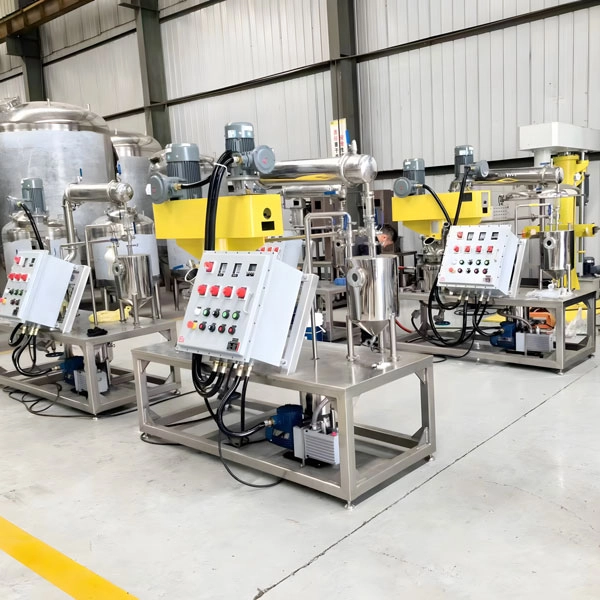
A liquid metering system typically combines a metering device, a liquid delivery mechanism, flow-control components, piping, and an operator interface. Depending on the application, it may also include pressure or temperature sensors, a controller, automated valves, and communication interfaces for integration with a production line.
These components perform different functions. The pump or other delivery mechanism moves the liquid, while the metering device measures the delivered quantity or provides information used to estimate it. The controller processes measurement signals and adjusts the delivery mechanism or associated valves when the system supports closed-loop regulation.
The metering principle determines how liquid quantity is measured. Depending on the process, equipment may use positive-displacement measurement, electromagnetic flow measurement, Coriolis mass flow measurement, or other suitable technologies. These methods are not interchangeable in every application.
Positive-displacement devices measure liquid through repeated displacement of defined volumes. Electromagnetic flowmeters measure the flow of electrically conductive liquids under suitable conditions. Coriolis meters measure mass flow and may provide additional information, such as density, depending on the instrument.
The correct choice depends on the liquid, required flow range, installation conditions, and measurement objective. For example, electromagnetic measurement is generally unsuitable for liquids with insufficient electrical conductivity, while a Coriolis meter may be considered when direct mass-flow measurement is important.
Pump selection is equally significant. A metering pump must provide the required delivery rate against the actual system pressure. Its output may be affected by viscosity, inlet conditions, backpressure, wear, and pulsation. A flow-control unit can regulate the delivery rate, but a stable command signal alone does not guarantee that the delivered quantity matches the target.
Where closed-loop control is used, the controller compares measurement feedback with the setpoint and adjusts the relevant actuator. The effectiveness of this arrangement depends on sensor performance, control response, actuator characteristics, and the dynamics of the liquid circuit. Buyers should distinguish between open-loop systems, which rely primarily on preset operating parameters, and closed-loop systems that use measurement feedback to correct deviations.
A system that performs well with one liquid may behave differently with another. Several operating variables deserve attention during equipment selection.
Viscosity: Changes in viscosity can affect pump performance, pressure losses, and the response of some flowmeters. Testing should reflect the actual liquid and operating temperature.
Pressure: Changes in backpressure can influence delivery performance, particularly when pump output depends on operating conditions. Pressure ratings and the expected operating range must be verified.
Temperature: Temperature changes can alter viscosity, density, and, for some liquids, volume. Buyers should establish whether volume or mass is the required control basis.
Air and gas bubbles: Entrained gas can disturb measurement or interrupt liquid delivery, depending on the metering technology and system design.
Pulsation and piping: Pulsating flow, unsuitable pipe sizing, leakage, poor inlet conditions, and incorrect sensor installation can affect measurement stability.
Valve and seal condition: Leakage, wear, or incompatible wetted components can cause discrepancies between the commanded quantity and the actual delivery.
These factors directly affect batching consistency, process control, and raw-material utilization. In chemical formulation, a dosing error may alter the composition of a batch. In continuous production, unstable flow can disturb downstream process conditions. Accurate measurement therefore needs to be supported by an appropriate hydraulic design and a repeatable operating procedure.
A Liquid high precision metering system manual should be treated as an operational reference, not simply a document supplied with the equipment. For maintenance personnel, process engineers, and production operators, it should explain the system configuration, permitted operating conditions, adjustment procedures, and actions required when measurement results deviate from expectations.
Before installation, buyers should confirm that the manual corresponds to the supplied model and configuration. Instructions for one pump, sensor, or controller should not automatically be applied to another.
Installation instructions should identify the required mounting arrangement, inlet and outlet connections, piping requirements, electrical connections, grounding provisions where applicable, and environmental conditions. The manual should also identify compatible liquids and any restrictions involving pressure, temperature, or other operating conditions.
During commissioning, the operator needs to understand which parameters are adjustable and how they affect operation. Depending on the configuration, these may include the target flow rate, batch quantity, operating limits, control mode, alarm thresholds, and communication settings. Parameter changes should follow the manufacturer's instructions and be documented where process traceability is required.
Calibration verifies the relationship between the system's indicated or controlled quantity and a suitable reference. A practical procedure generally involves the following principles:
Confirm that the reference instrument or weighing equipment is suitable for the required measurement uncertainty and quantity.
Prepare the system according to the applicable manual, including any required priming, air removal, stabilization, or temperature conditioning.
Deliver a known quantity under representative operating conditions and compare the measured result with the reference.
Calculate the deviation, determine whether adjustment is permitted, and repeat the verification after any adjustment.
Record the test conditions, reference method, results, adjustments, and final acceptance status.
The exact method depends on the metering technology. For gravimetric verification, the collected liquid mass may be converted to volume when the liquid density at the relevant conditions is known. For mass-based applications, mass should be compared directly with the appropriate reference. Uncertainty in the reference equipment, evaporation, leakage, and collection losses must also be considered.
Calibration frequency should be determined from the manufacturer's recommendations, process criticality, applicable quality requirements, operating history, and observed measurement drift. A universal calibration interval cannot be specified for every system.
The manual should provide model-specific startup and shutdown instructions, including any required checks for valve positions, pump priming, pressure limits, interlocks, and residual liquid. Operators should not improvise a sequence when incorrect operation could create pressure hazards, chemical exposure, or equipment damage.
Maintenance instructions should identify inspection points, cleaning methods, compatible replacement parts, and procedures for handling seals, valves, sensors, and other serviceable components. In chemical and pharmaceutical applications, cleaning and material compatibility may be particularly important when changing products or preventing cross-contamination.
When measured delivery differs from the target, investigate the cause systematically rather than immediately changing the calibration. Potential causes include trapped air, unstable inlet supply, leakage, changing viscosity, incorrect parameter settings, sensor fouling, worn pump components, and variations in backpressure.
A useful operating record includes the target quantity, actual delivery, relevant process conditions, alarms, maintenance work, and calibration results. These records help distinguish a recurring process problem from an isolated operating error and support more consistent production.
The Liquid high precision metering system price depends on the complete system configuration rather than a single component. Two quotations may look similar while covering different measurement capabilities, control functions, materials, integration work, and service commitments.
The pump type and required operating envelope are major cost factors. Buyers should specify the target flow range, minimum controllable flow, operating pressure, liquid viscosity, and required dosing behavior. A system intended for small batch additions may need a different configuration from one designed for continuous industrial transfer.
Measurement technology also influences the price. Sensor selection depends on whether the process requires volume measurement, mass measurement, or another measurement method. Additional instrumentation may be needed to monitor pressure, temperature, or other conditions relevant to reliable operation.
Control-system costs depend on the required functions. A basic controller may support local parameter setting, while a more integrated system may require recipe management, automated sequencing, alarm handling, data recording, or communication with a PLC or supervisory control system. These capabilities can improve process integration, but only when they address actual operating requirements.
Materials in contact with the liquid must be compatible with its chemical composition, concentration, temperature, and cleaning process. Pump heads, seals, valves, tubing, and meter bodies should be evaluated as a complete wetted path. Selecting materials solely on initial cost can create compatibility or maintenance problems later.
Customization can add engineering, manufacturing, testing, and commissioning costs. Examples include special connections, application-specific control logic, integration with existing equipment, or requirements for particular documentation. Buyers should ask which items are included in the quoted price and which are optional.
A meaningful quotation should clearly identify:
The pump and metering technology, including the model and operating limits.
The wetted materials and their documented compatibility with the intended liquid.
The controller, sensors, control functions, and communication interfaces.
Required installation, commissioning, calibration, and acceptance testing.
Documentation, warranty terms, spare parts, and technical support arrangements.
The lowest initial quotation is not necessarily the most economical choice. Maintenance labor, consumables, calibration requirements, spare-part availability, integration effort, and production downtime all contribute to total cost of ownership. Buyers should compare suppliers against the same technical specification and operating conditions rather than comparing headline prices alone.
The best configuration depends on the process objective, not simply the industry in which the equipment will be used.
Chemical batching: Paint, ink, resin, and other chemical formulations may require repeatable addition of multiple ingredients. Buyers should confirm chemical compatibility, the operating viscosity range, batch quantity requirements, and whether the controller supports the necessary dosing sequence. Where ingredients differ substantially in viscosity, separate delivery conditions or pump configurations may be needed.
Pharmaceutical production: Selection should account for applicable process and quality requirements, material compatibility, cleanability, traceability, and the documentation required by the facility. Buyers should confirm whether the offered configuration meets their specific validation and compliance requirements rather than assuming that every precision metering system is suitable for pharmaceutical use.
Laboratory liquid handling: Small delivery quantities can make measurement uncertainty, dead volume, priming, and repeatability particularly important. The appropriate system should be evaluated at the actual target quantity and flow rate, since performance at a larger delivery rate does not establish performance at a much smaller one.
Industrial fluid transfer: Continuous transfer applications may prioritize stable flow, pressure compatibility, integration with existing controls, and maintainability. A suitable system must deliver the required flow under actual pipeline conditions without exceeding component limits.
Before requesting a quotation, define the process requirements clearly. The following questions help manufacturers recommend an appropriate configuration:
What are the minimum, normal, and maximum required flow rates or dosing quantities?
Is the acceptance criterion based on accuracy, repeatability, or both, and how will each be verified?
What are the liquid's viscosity, density, temperature, chemical composition, and potential gas content?
What inlet conditions, operating pressure, and backpressure will the system encounter?
Which wetted materials, seals, and cleaning procedures are required?
Is local control sufficient, or are PLC integration, remote monitoring, recipes, and production data recording necessary?
What calibration method, acceptance test, documentation, warranty, and after-sales support are included in the quotation?
These details allow suppliers to evaluate technical suitability before proposing equipment. They also make competing quotations easier to compare on an equivalent basis.
Beyond equipment specifications, buyers should assess the manufacturer's engineering experience, quality-control process, customization capability, and ability to support the system after delivery. Ask for documented performance data under conditions comparable to the intended application, together with a clear explanation of test methods and acceptance criteria.
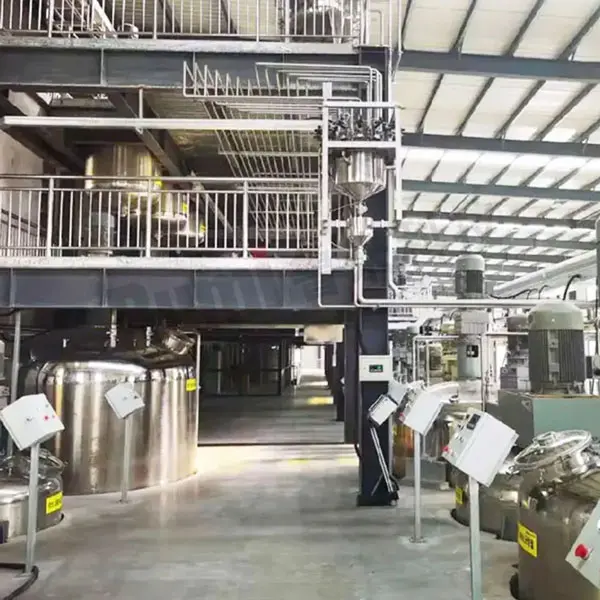
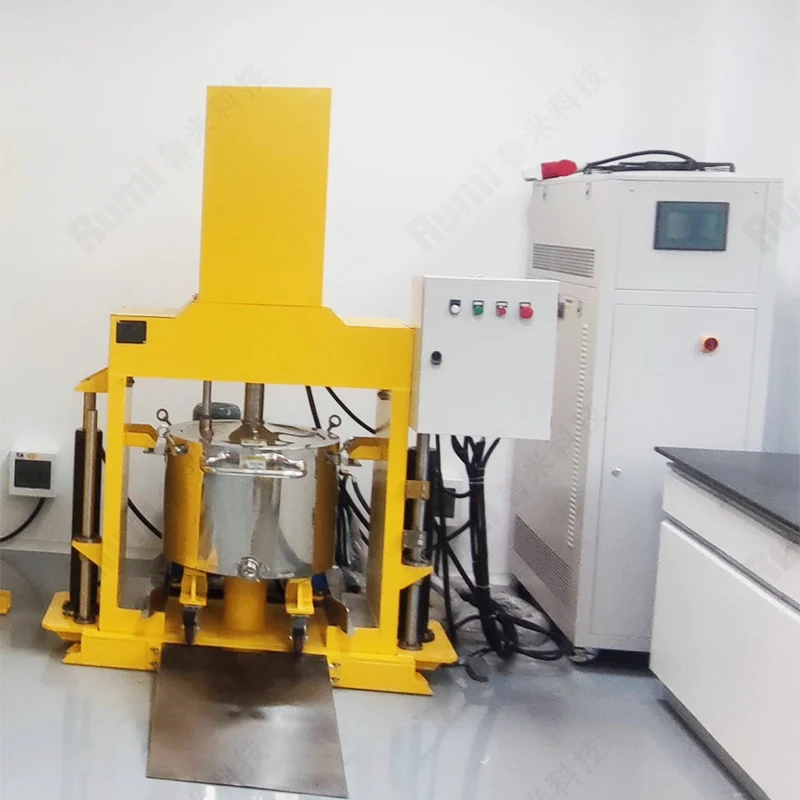
Rumi is a professional supplier focused on chemical equipment and solutions for global customers. Since launching its first self-developed high-precision dosing system and high-efficiency mixing equipment in 2018, RUMI Technology has developed solutions for paint and ink producers, resin and new-material manufacturers, and customers in the new energy and composites industries.
The company reports multiple invention patents resulting from its research and development work, a quality assurance system featuring 72-hour factory testing and 24-hour after-sales response, and ISO 9001 and CE certifications. Buyers should confirm the applicability of the relevant certification and the scope of factory testing for the specific equipment being considered. For customized metering applications, discussions with Rumi should establish the required liquid properties, dosing conditions, control functions, and acceptance criteria before the final configuration and quotation are agreed.
Selecting a liquid high precision metering system requires a balanced assessment of measurement performance, liquid properties, hydraulic conditions, control functions, operating procedures, and long-term maintenance needs. The right system is one that demonstrates acceptable performance under the actual process conditions, not merely one that carries a high-precision designation.
Use the Liquid high precision metering system manual to verify installation, parameter settings, calibration, maintenance, and safe operating limits. When comparing Liquid high precision metering system price, evaluate the complete configuration, integration requirements, service provisions, and expected operating costs alongside the initial purchase price.
By defining measurable requirements and obtaining clear technical documentation before ordering, procurement teams can make better-informed decisions about system suitability, production consistency, and total cost of ownership.