en
 vi
 it
 es
 tr
 ja
 pt
 nl
 ru
 fr
 de
 pl
 ar
News
Latest news and events.




Powder metering problems rarely come from the metering device alone. Differences in particle size, bulk density, moisture content and flowability can cause bridging, fluctuating discharge rates and inconsistent batch weights. In chemical processing, plastics manufacturing, food production and other powder-handling industries, these issues can affect formulation consistency, material utilization and production schedules.
Choosing the Best powder metering system therefore requires more than comparing equipment specifications. Buyers need to understand how the feeding mechanism, metering device, drive system and control unit work together, and whether their combined design suits the material and production process. The Powder metering system price should also be evaluated against the required performance, maintenance workload and long-term operating costs.
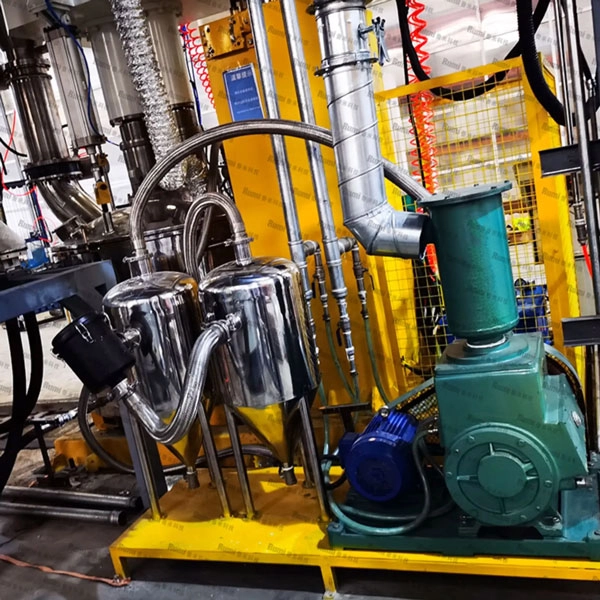
A powder metering system typically combines a storage hopper, feeding mechanism, metering device, drive assembly and control unit. Depending on the process, it may also include weighing sensors, agitators, dust collection connections and automated material-handling interfaces.
Each component has a distinct role. The hopper stores and directs material toward the outlet. The feeding mechanism maintains a suitable material supply, while the metering device regulates the quantity discharged. The drive system controls mechanical movement, and the control unit coordinates operating settings and feedback signals.
A well-matched system must keep these functions consistent under actual operating conditions. Increasing screw speed, for example, may raise the feed rate, but it does not necessarily produce a proportional increase in mass flow if the powder becomes aerated, compacts or fills the screw inconsistently.
Screw feeding uses a rotating screw to move powder through a barrel or discharge channel. It is widely considered when controlled, continuous material delivery is required. Screw diameter, pitch, rotation speed, inlet geometry and powder characteristics all influence feeding behavior. Cohesive or abrasive materials may require different screw configurations and contact materials.
Volumetric metering controls the volume of powder delivered over a period of time. Screw feeders and rotary devices can be configured for volumetric operation. This approach can be practical when material properties remain relatively consistent and the process can tolerate changes in mass flow caused by variations in bulk density or filling behavior.
Gravimetric loss-in-weight metering measures the reduction in weight of a material container over time. The control system uses this change to estimate actual mass flow and adjusts the feeding mechanism when the measured rate deviates from the target. It can compensate for some variations that volumetric systems cannot directly detect, although vibration, mechanical forces, refill cycles and insufficient weighing stability can affect measurement quality.
Gravimetric batch weighing serves a different purpose. Instead of continuously regulating mass flow, it measures a specified quantity of powder for a batch or formulation. It is often relevant when individual ingredients must be weighed before mixing or processing.
No single method is suitable for every application. Selection depends on whether the process requires continuous feeding or discrete batches, how much variation is acceptable, and how the material behaves during discharge.
Two powders processed on the same machine can produce substantially different results. The reason is that metering equipment interacts with both the mechanical properties of the material and its changing condition inside the hopper.
Particle size distribution affects how particles pack, move and separate. Fine powders may exhibit stronger cohesive behavior, while mixtures containing different particle sizes can segregate during handling. Screw geometry and hopper outlet design must be evaluated against the actual powder rather than particle size alone.
Bulk density determines the relationship between occupied volume and material mass. In a volumetric feeder, a change in packing density can alter the mass delivered at an unchanged operating speed. Gravimetric feedback can help correct this variation, provided the weighing system can measure the change reliably.
Flowability and cohesiveness influence whether powder moves freely toward the outlet. Poorly flowing materials may form stable arches above the discharge opening or develop a stagnant region around the hopper walls. Hopper geometry, outlet dimensions and suitable agitation or bridging-prevention devices can help, but their effectiveness depends on the specific material.
Moisture content may change powder cohesion, adhesion and flow behavior. Hygroscopic materials can absorb moisture from the surrounding air, potentially causing clumping or buildup on contact surfaces. Enclosure design, suitable material storage and environmental control may therefore be important parts of the solution.
Abrasiveness and material sensitivity introduce additional considerations. Abrasive powders can accelerate wear on screws, liners and other contact parts. Fragile or segregation-prone materials may require gentler handling. Where contamination control is important, the equipment's contact surfaces, cleaning access and material compatibility must be assessed.
These differences explain why a feeder that performs consistently with one powder may become unstable with another, even when the target feed rate is unchanged.
The Best powder metering system is the one that matches the actual process, not simply the one with the most advanced controls.
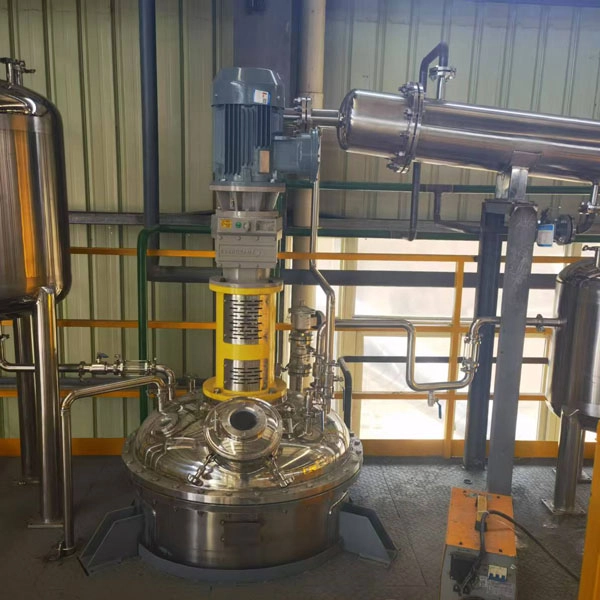
In chemical processing, buyers may need to meter pigments, additives, fillers or other formulation ingredients. Material compatibility, containment, repeatable dosing and integration with mixers or reactors can be decisive. For powders that generate dust or have hazardous handling requirements, the containment and dust-control strategy should be defined before the equipment configuration is finalized.
In pharmaceutical manufacturing, weighing traceability, cleaning procedures, contamination prevention and batch documentation may be as important as feeding performance. Buyers should establish applicable process and regulatory requirements, including whether validated weighing, specialized containment or specific surface finishes are necessary. These requirements should be confirmed for the actual application rather than assumed from a supplier's general product description.
In food processing, ingredient consistency, cleanability, moisture exposure and cross-contamination prevention often influence equipment selection. The design should reflect the ingredient's flow characteristics and the plant's cleaning procedures. Required food-contact materials and hygienic design provisions must be specified and verified.
In plastics manufacturing, powder additives, pigments and fillers may need to be delivered into mixers, extruders or compounding lines. Buyers should assess the required feed rate, the stability of the downstream process, and whether the system needs to synchronize with production equipment.
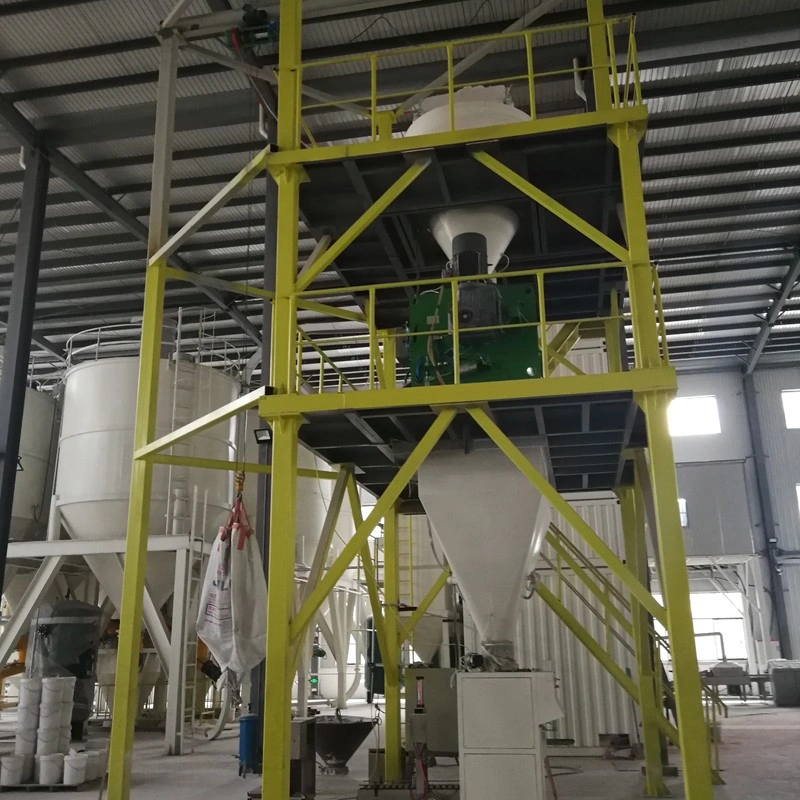
In building materials and powder-material production, bulk handling capacity, abrasion resistance, dust management and integration with silos or conveying systems may receive greater emphasis. The appropriate design depends on the material, operating environment and required dosing pattern.
Before selecting equipment, buyers should document the target mass flow or batch quantity, minimum and maximum operating rates, acceptable dosing variation, production cycle, upstream supply method and downstream connection requirements. Available floor space, installation height, cleaning access and control-system compatibility should also be included.
Performance claims should be compared only when their test conditions are comparable. Ask suppliers to distinguish measurement accuracy, repeatability, feed-rate stability and batch-to-batch consistency. These are related but different performance indicators.
The Powder metering system price depends on the complete configuration rather than the metering mechanism alone.
Metering technology and operating range influence the equipment's mechanical design and control requirements. A basic volumetric feeder may have a different cost structure from a loss-in-weight system with load cells, feedback control and automated refill management. Batch weighing equipment may require different weighing arrangements and process interfaces.
Powder characteristics and contact materials can also change the quotation. Abrasive, corrosive, moisture-sensitive or cohesive materials may require specialized contact surfaces, modified hopper geometry or additional feeding devices. The necessary materials and design features should be specified according to actual process conditions.
Sensors and control systems affect both initial investment and operational capability. Buyers may need weighing sensors, variable-speed drives, a programmable logic controller, a human-machine interface, communication interfaces or integration with an existing production control system. Additional functions are valuable when they address a defined process requirement, but unnecessary complexity can increase commissioning and maintenance work.
Sealing and dust collection influence the overall cost when the application requires controlled emissions, enclosed transfer or particular containment arrangements. The required level of protection should be established from the powder's properties and the plant's operating requirements.
Customization and integration may include special inlet and outlet connections, support structures, control logic, upstream conveying interfaces and downstream equipment coordination. Installation, commissioning, operator training and documentation should be identified separately in the quotation so buyers can compare equivalent scopes.
A lower initial quotation is not automatically the more economical option. Long-term costs can include replacement screws and seals, sensor calibration, cleaning labor, spare parts, downtime and troubleshooting. A system that is difficult to clean or maintain may create additional operating burdens even when its purchase price is attractive.
A useful quotation process begins with a clear material and process specification. Buyers should provide the supplier with the powder's name and composition where appropriate, particle size distribution, bulk density, moisture range, flowability information and any known abrasiveness or handling hazards.
The requested operating data should include the target feed rate or batch weight, minimum and maximum demand, production cycle, required dosing tolerance, operating duration and refill conditions. Buyers should also identify the installation environment, cleaning requirements, available utilities and control-system interfaces.
Ask the supplier to explain the proposed metering principle, screw or feeder configuration, hopper design, weighing arrangement and control strategy. Request the basis for any stated performance figures, including the test material, operating rate, measurement method and relevant environmental conditions.
Where powder behavior is uncertain, a material trial can provide more useful evidence than a general specification sheet. The trial should reproduce representative operating conditions as closely as practical and examine feed-rate variation, repeatability, refill behavior, material buildup and cleaning requirements.
Supplier evaluation should also cover drawings, electrical documentation, operating instructions, recommended spare parts, warranty terms and after-sales support. These details help establish whether the equipment can be maintained and integrated over its intended service life.
Start with the powder's flowability, bulk density, particle size distribution, moisture sensitivity and abrasiveness. Then match these properties to the target feed rate, required dosing tolerance and production mode. Supplier testing is advisable when material behavior is uncertain.
Volumetric metering regulates the volume delivered, so mass flow can change when bulk density or feeder filling changes. Loss-in-weight metering estimates mass flow from the reduction in hopper weight and can adjust feeding in response to measured deviations. Its effectiveness depends on weighing stability, control design and operating conditions.
Review hopper geometry, outlet dimensions, powder storage conditions and the feeding mechanism. Suitable agitation, flow aids or modified screw designs may help, but the solution should be selected according to the material. Dust buildup, refill disturbances and environmental changes should also be investigated.
Provide the material characteristics, target feed rate or batch quantity, dosing tolerance, operating cycle, required contact materials, dust-control needs, cleaning requirements and automation interfaces. Ask the supplier to identify assumptions, exclusions and the method used to verify performance.
Compare the complete installed cost alongside maintenance labor, wear parts, calibration, cleaning, downtime, commissioning and technical support. Evaluate these costs against the expected operating conditions and service requirements rather than relying on purchase price alone.
Selecting the Best powder metering system requires a clear understanding of powder properties, metering principles, process requirements and the interaction between mechanical feeding and control feedback. Screw feeding, volumetric metering, loss-in-weight control and batch weighing each serve different operating needs.
When comparing Powder metering system price, buyers should assess the complete configuration, verified performance, integration scope and expected maintenance burden. Rumi provides chemical equipment and dosing solutions for industrial applications, with its equipment development and service approach focused on practical process requirements.
Since introducing its self-developed dosing and mixing equipment in 2018, RUMI Technology has developed customized solutions for paint and ink, resin, new materials, new energy and composites applications. The company reports a quality assurance system that includes 72-hour factory testing and 24-hour after-sales response, alongside ISO 9001 and CE certifications.
For buyers, the most reliable purchasing decision starts with accurate process information, a technically justified equipment configuration and performance evidence relevant to the intended powder. These factors provide a stronger basis for comparing suppliers than marketing claims or initial price alone.