 en
en  vi
vi  it
it  es
es  tr
tr  ja
ja  pt
pt  nl
nl  ru
ru  fr
fr  de
de  pl
pl  ar
ar News
Latest news and events.




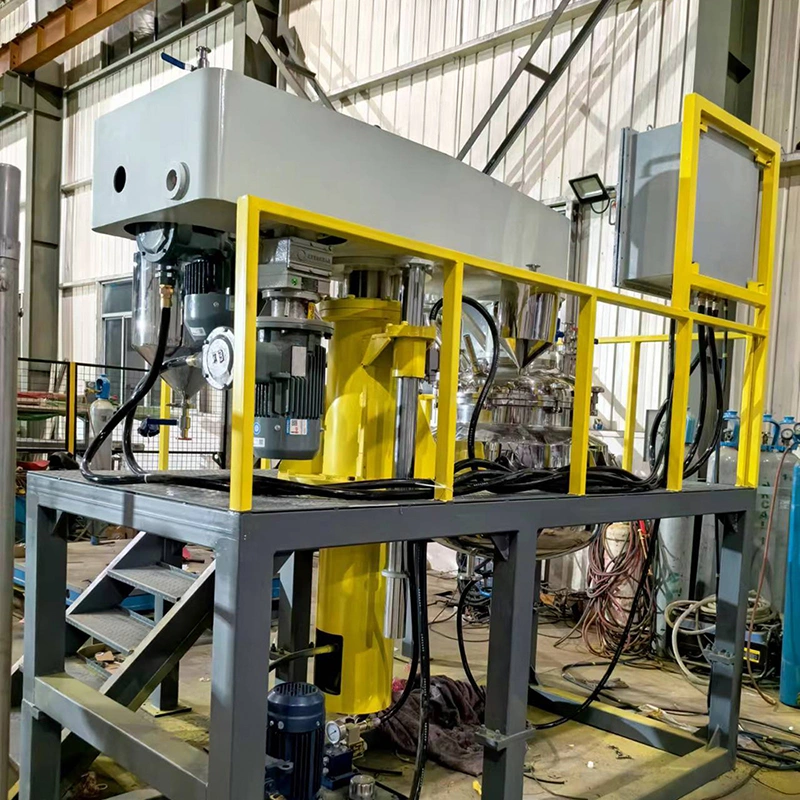
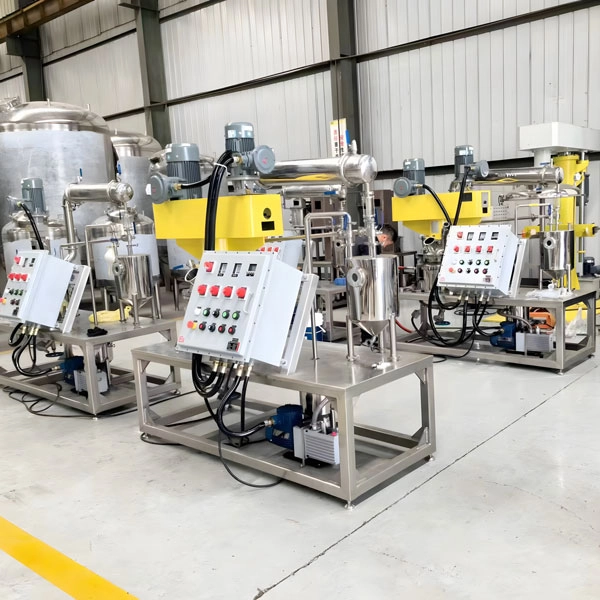
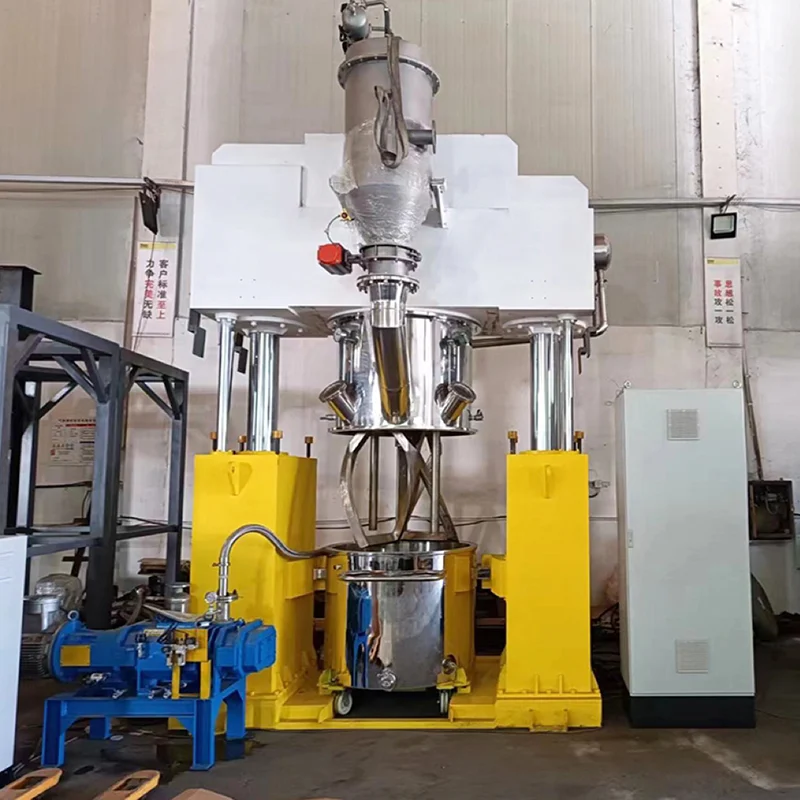
For chemical manufacturers, pharmaceutical producers, resin companies, and other process industries, a reaction vessel is not simply a tank for holding raw materials. It is part of the reaction system, where temperature, pressure, mixing, heat transfer, and material compatibility must work together. A standard vessel may be adequate for simple blending, but it can become a process limitation when a reaction requires controlled heating, cooling, vacuum, pressure, or intensive agitation.
Unstable temperature control can change reaction rates and product characteristics. Insufficient pressure capability can restrict the operating window. Poor mixing may create local concentration or temperature differences, leaving some materials under-reacted while others are exposed to excessive reaction conditions. These issues are particularly important in polymerization, chemical synthesis, resin production, adhesive manufacturing, and fine chemical processing.
For procurement teams, therefore, selecting an industrial reaction vessel should begin with the production process rather than the vessel price alone.
The design of an industrial reaction vessel is normally determined by the physical properties of the material and the required reaction conditions. Capacity, material, agitation, heat transfer, pressure rating, sealing, and control systems should be considered as one integrated specification.
Vessel material is one of the first decisions. Stainless steel such as 304 or 316L is commonly considered when corrosion resistance, cleanliness, and product compatibility are important. 316L is often preferred for pharmaceutical or chemically aggressive applications because of its corrosion resistance and cleanability. Carbon steel can be suitable for less corrosive materials and can reduce equipment cost, but it is not automatically appropriate for acidic, alkaline, solvent-based, or otherwise aggressive media.
Working volume also matters more than nominal tank capacity. A reaction vessel normally requires sufficient headspace for expansion, foaming, gas generation, or agitation. A vessel advertised as having a certain total volume does not necessarily provide the same usable working volume. For batch production, buyers should evaluate the normal batch size, minimum operating volume, maximum filling level, and required headspace before selecting the vessel size.
The agitator must match the rheology of the product. Low-viscosity liquids may work well with turbine or pitched-blade impellers, while high-viscosity resin, adhesive, and polymer materials may require anchor, frame, or other specialized agitators. As viscosity increases, motor torque becomes increasingly important; simply increasing rotational speed is not always an effective solution.
Heating and cooling configuration directly affects reaction temperature control. A jacket may be sufficient for many applications, while internal coils or specialized heat-transfer structures may be considered when the process requires greater heat-transfer capacity. Steam, hot water, thermal oil, chilled water, or other media can be selected according to the required temperature range and heating or cooling rate.
Pressure rating should be based on actual operating conditions rather than the desired production volume. A vessel used under vacuum has different mechanical requirements from one operating under positive pressure. If a reaction generates gas, operates at elevated temperature, or requires solvent recovery under pressure or vacuum, the vessel, cover, nozzles, sealing system, and safety devices must be designed accordingly.
The sealing system is another process-dependent component. Mechanical seals are commonly used where leakage control is important, but the appropriate seal arrangement depends on shaft speed, temperature, pressure, material characteristics, and the cleanliness requirements of the application.
For automated production, temperature, pressure, liquid level, speed, and other process parameters can be integrated into a PLC or other control system. This allows operators to follow defined process conditions instead of manually adjusting the system throughout the batch.
What is an industrial reaction vessel used for? In practical manufacturing, it is used wherever raw materials need to undergo a controlled chemical, physical, or combined process under defined conditions.
In chemical synthesis, the vessel can provide controlled mixing, heating, cooling, reaction holding, and sometimes pressure or vacuum operation. The material selection depends strongly on the chemicals being processed, while agitation and heat transfer determine how evenly the reaction conditions are distributed throughout the batch.
In pharmaceutical production, reaction vessels may be used for synthesis, solution preparation, crystallization, and other controlled processing steps. Material selection and internal surface finish become particularly important because contamination and cleaning requirements can be more demanding than in general chemical production.
For paint and coating manufacturing, the vessel may combine mixing with heating or cooling. Pigments, resins, solvents, additives, and other components can have significantly different physical properties, so the agitator must provide appropriate circulation without creating excessive shear or air entrainment.
Resin production often places greater demands on temperature control and agitation. Polymerization and resin reactions can be highly temperature-sensitive, while viscosity may increase substantially during the batch. The vessel therefore needs sufficient heat-transfer capacity and an agitator capable of maintaining circulation as the material becomes thicker.
In adhesive production, viscosity can range from relatively fluid formulations to highly viscous systems. Anchor or frame agitators are often considered for high-viscosity materials, while the drive system must provide adequate torque throughout the process.
For new materials and fine chemical production, customization becomes increasingly important. Different formulations may require different pressure levels, temperature ranges, feeding arrangements, internal structures, or vacuum capabilities.
How do you control reaction temperature? The answer depends on the process. The control system may regulate a jacket or coil using steam, thermal oil, hot water, chilled water, or another heat-transfer medium. The key is not simply reaching a target temperature but maintaining a stable temperature profile during heating, reaction, and cooling.
Can a reaction vessel be customized for a specific process? Yes. A vessel can be configured around the required working volume, material compatibility, pressure and temperature conditions, agitator, heat-transfer system, nozzle arrangement, sealing system, instrumentation, and automation requirements. This is particularly valuable when the process cannot be adequately handled by a standard tank.
How much does an industrial reaction vessel cost? There is no meaningful single price based only on vessel capacity. Two vessels with the same nominal volume can have substantially different prices because their materials, pressure ratings, agitators, heating systems, and control requirements may be completely different.
Material is a major cost factor. A carbon steel vessel and a 316L stainless steel vessel may have similar dimensions but very different fabrication and material costs. Special alloys or corrosion-resistant linings can increase the investment further when required by the process.
Capacity and working volume influence the amount of material, fabrication time, structural reinforcement, and equipment size. However, selecting an oversized vessel simply to obtain more capacity can increase both initial cost and operating inefficiency.
Pressure and temperature requirements can also change the vessel design significantly. Higher design pressure may require thicker walls, reinforced components, specialized covers, suitable nozzles, and corresponding safety equipment. Elevated temperature can similarly affect material selection, sealing, insulation, and heat-transfer design.
The agitator and drive system are another major variable. A simple low-viscosity mixing system is different from a high-torque system for resin or adhesive production. Motor power, gearbox configuration, shaft design, impeller type, and mechanical seal specifications all contribute to the final equipment cost.
The heating/cooling system must also be evaluated. A basic jacket may have a relatively simple configuration, whereas a process requiring rapid heating and cooling may need a larger heat-transfer area, internal coils, temperature-control equipment, or a more sophisticated thermal-fluid system.
Automation and customization further affect the quotation. Temperature and pressure transmitters, load cells, PLC control, variable-frequency drives, automatic valves, vacuum systems, dosing interfaces, and customized nozzles all add engineering and component costs.
So, what is the best industrial reaction vessel? The best choice is not necessarily the largest, most automated, or most expensive model. It is the vessel whose material, capacity, pressure rating, temperature range, agitation, heat-transfer capability, and control system match the actual process requirements.
A practical procurement specification should therefore include at least the following information:
Required working and total volume
Product density and viscosity range
Corrosiveness and material compatibility
Normal and maximum reaction temperature
Operating and design pressure
Heating and cooling media
Required heating/cooling rate
Agitator type, speed, and torque requirements
Vacuum requirements, if applicable
Sealing and cleanliness requirements
Instrumentation and automation level
Applicable manufacturing and inspection requirements
Rumi approaches industrial reaction vessel projects from this process-oriented perspective. As a professional supplier focused on chemical equipment and solutions, Rumi serves global customers with reliable products, strict quality control, and efficient service. Since developing its first self-developed high-precision dosing system and high-efficiency mixing equipment in 2018, RUMI Technology has expanded its expertise in fine chemical equipment solutions.
Its engineering development has focused on practical manufacturing challenges, including high-efficiency, low-energy mixing and precise dosing. Through repeated R&D iterations and patented technologies, RUMI has developed customized equipment solutions for paint and ink manufacturers, resin and new materials producers, and companies in the new energy and composites sectors. Its quality assurance system includes 72-hour factory testing and a 24-hour after-sales response, supported by ISO9001 and CE certifications.
For buyers comparing reaction vessel manufacturers, this type of process experience is important because equipment selection cannot be separated from the production conditions it must handle.
Industrial reaction vessel uses extend well beyond basic liquid containment. In chemical synthesis, pharmaceutical processing, paint, resin, adhesive, food, and fine chemical production, the vessel becomes a controlled environment for reaction, mixing, heating, cooling, and polymerization. Its material, working volume, pressure rating, agitator, heat-transfer configuration, sealing system, and automation must correspond to the process.
Reaction vessel price should therefore be evaluated against the complete equipment specification rather than capacity alone. A properly engineered vessel can provide more stable reaction conditions, better control of product quality, and a more appropriate service life because its design reflects the actual production requirements. For procurement teams and process engineers, the most useful comparison is not simply which vessel costs less, but which configuration provides the required operating range without unnecessary equipment or engineering cost.