 en
en  vi
vi  it
it  es
es  tr
tr  ja
ja  pt
pt  nl
nl  ru
ru  fr
fr  de
de  pl
pl  ar
ar News
Latest news and events.



For manufacturers working with resin, adhesives, coatings, and chemical slurries, mixing is not simply about combining different materials together. The real challenge is achieving stable dispersion, consistent viscosity, and repeatable quality when processing materials that resist movement under conventional mixing conditions.
Traditional mixing equipment often struggles with high-viscosity materials due to insufficient torque output, unstable operation under heavy loads, and poor circulation inside the mixing vessel. As viscosity increases, the mixer may require longer processing cycles while consuming more energy, yet still fail to eliminate unmixed areas or material buildup on the tank wall.
These limitations directly affect production efficiency. In industries such as adhesive manufacturing, coating production, and resin processing, even small variations in mixing quality can lead to differences in bonding performance, coating appearance, curing behavior, and final product consistency.
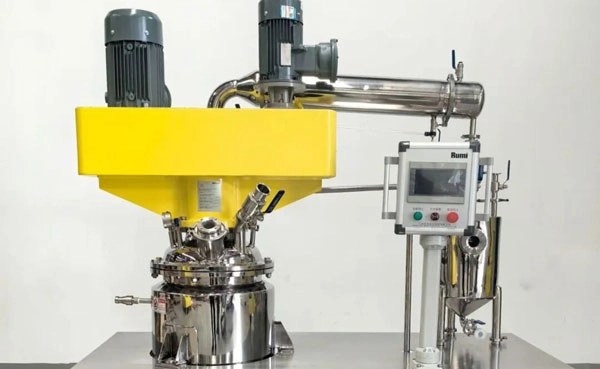
An Industrial High Viscosity Mixer is designed to address these challenges through stronger drive systems, optimized mixing structures, and controlled shear performance. Instead of focusing only on short-term mixing speed, advanced industrial mixers are developed around long-term production stability, energy efficiency, and consistent material processing.
The biggest difference between standard mixers and industrial high viscosity mixing systems is the ability to generate and maintain torque under heavy resistance.
When processing materials such as epoxy resin, silicone compounds, sealants, or dense chemical pastes, the mixer blade must overcome significant internal friction. A motor with insufficient torque may experience overload conditions, unstable rotation, or extended mixing cycles.
High torque drive systems provide the mechanical strength required for continuous operation under demanding conditions. By maintaining stable low-speed rotation with strong torque output, the mixer can effectively move highly viscous materials throughout the vessel instead of only creating movement around the impeller area.
This design brings several practical benefits:
More complete material circulation throughout the mixing chamber
Improved dispersion of fillers, pigments, and additives
Reduced unmixed zones and material accumulation
Shorter mixing cycles compared with conventional equipment
Lower risk of batch-to-batch quality variation
For example, in adhesive production, fillers and additives must be evenly distributed to maintain bonding strength and curing performance. A mixer with insufficient shear capability may leave small agglomerates inside the material, resulting in inconsistent product performance.
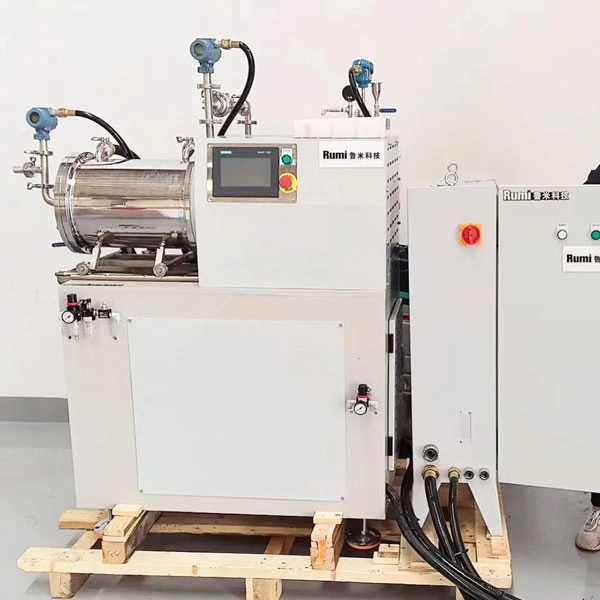
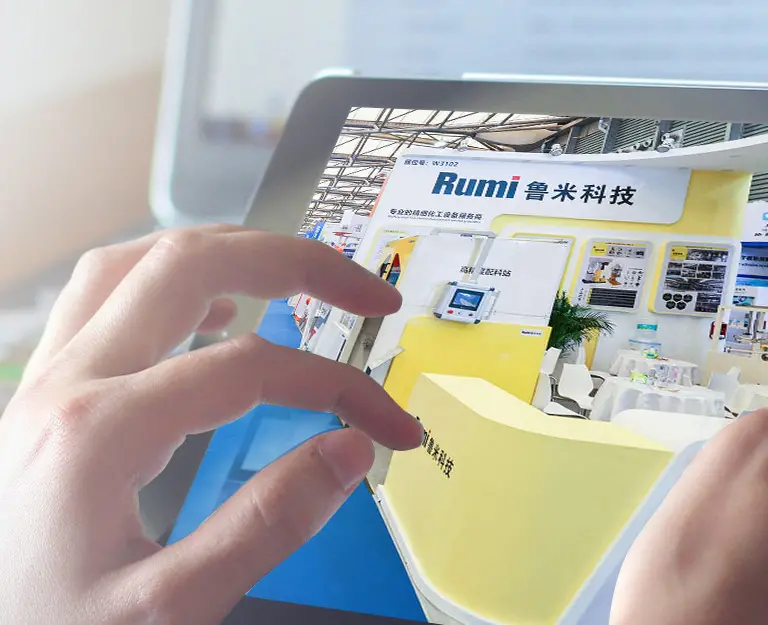
RUMI develops industrial mixing solutions with a focus on high-efficiency and low-energy operation. As a professional supplier focused on chemical equipment and solutions, Rumi serves global customers with reliable products, strict quality control, and efficient service, building long-term partnerships worldwide.
The company’s approach is based on understanding actual production challenges rather than simply supplying standard equipment. Since launching its first self-developed high-precision dosing system and high-efficiency mixing equipment in 2018, RUMI Technology has remained committed to becoming a professional fine chemical equipment service provider.
Through continuous research and hundreds of development iterations, RUMI Technology has established its own technical advantages in mixing and dosing systems, supporting industries including coatings, inks, resins, new materials, composites, and new energy applications.
The demand for the Best industrial high viscosity mixer comes from manufacturers that cannot afford unstable production results. In these industries, equipment performance directly influences product quality, production efficiency, and operating costs.
Adhesive production requires precise mixing of polymers, fillers, curing agents, and additives. The challenge is maintaining uniform composition while handling materials with high resistance to flow.
A suitable high viscosity mixer helps manufacturers achieve:
Consistent viscosity across production batches
Better filler dispersion
Reduced air entrapment
Stable bonding performance
For high-performance sealants, uneven mixing can create weak areas that affect sealing reliability. Continuous torque output and controlled shear forces help maintain material consistency during large-scale production.
Resin manufacturers often process materials that become significantly more difficult to mix as solid content increases. High viscosity mixers provide the mechanical capability required for materials used in composites, coatings, and advanced manufacturing applications.
Stable low-speed operation is particularly important because excessive mixing speed can generate unnecessary heat, change material properties, or introduce air bubbles into sensitive formulations.
Coating manufacturers require precise dispersion of pigments, additives, and binders. Poor mixing can result in color variation, uneven coating performance, or sedimentation issues during storage.
Industrial mixers designed for high-viscosity applications help improve:
Pigment dispersion quality
Batch consistency
Production repeatability
Material utilization efficiency
RUMI Technology has focused deeply on customized solutions for these industries, including improving dosing accuracy for paint and ink enterprises, providing efficient mixing equipment for resin and new material companies, and delivering complete system solutions for new energy and composite industries.
The company also operates a quality assurance system featuring 72-hour factory testing and 24-hour after-sales response. With ISO9001 and CE certifications, RUMI continues to support customers requiring dependable chemical equipment for long-term industrial production.
When searching for Industrial high viscosity mixer price, many buyers initially compare equipment quotations. However, the actual investment value depends on the configuration selected for specific production requirements.
A lower initial price does not always represent lower production costs. Equipment that cannot handle material viscosity, production volume, or operating conditions may create higher expenses through longer mixing cycles, frequent maintenance, and inconsistent product quality.
Several factors influence the final equipment price.
Motor selection is one of the most important pricing factors. High-viscosity materials require stronger drive systems because the mixer must maintain stable performance under heavy loads.
A higher-power motor with sufficient torque reserve can:
Reduce overload risks
Improve processing stability
Support continuous production
Extend equipment service life
The correct motor configuration depends on material viscosity, density, batch size, and mixing requirements.
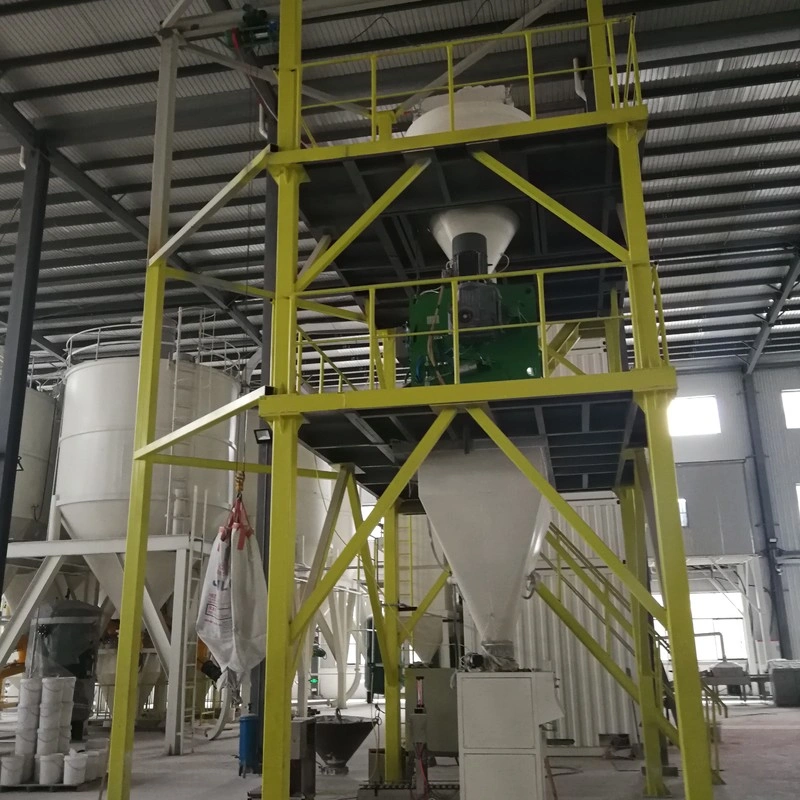
The production volume determines not only tank size but also mechanical structure requirements. A large-capacity mixer requires stronger shafts, reinforced transmission systems, and optimized mixing components to maintain stable operation.
A 500-liter mixer designed for laboratory testing and a 500-liter industrial production mixer may have completely different engineering requirements and costs.
The contact material of the mixing vessel also affects equipment value.
Depending on chemical compatibility requirements, manufacturers may choose:
Stainless steel 304
Stainless steel 316L
Customized corrosion-resistant materials
For chemical, resin, and coating applications, material selection directly affects durability and long-term maintenance requirements.
Modern industrial mixing systems may include PLC control, recipe management, temperature monitoring, vacuum systems, weighing integration, and automated dosing functions.
Although these configurations increase initial investment, they can improve production control and reduce manual adjustment during long-term operation.
For manufacturers with specialized formulations, customized solutions often provide better economic value than selecting a standard machine that requires future modifications.
Choosing the right Industrial High Viscosity Mixer is ultimately about matching equipment capability with production requirements. For companies processing resin, adhesives, coatings, and chemical slurries, the most valuable equipment is not necessarily the one with the lowest purchase price, but the one that delivers stable mixing quality, reliable operation, and predictable long-term performance. With its experience in fine chemical equipment solutions, RUMI Technology continues to develop mixing and dosing technologies that support more efficient and consistent global chemical manufacturing.