 en
en  vi
vi  it
it  es
es  tr
tr  ja
ja  pt
pt  nl
nl  ru
ru  fr
fr  de
de  pl
pl  ar
ar News
Latest news and events.



In many industrial manufacturing processes, adding the correct amount of liquid materials is not a simple transfer task. For chemical companies, pharmaceutical manufacturers, food processors, and coating producers, even a small dosing deviation can influence product consistency, performance, and production efficiency.
Traditional manual liquid addition and basic measurement methods often create challenges during large-scale production. Operators may face inconsistent dosing results, material waste caused by inaccurate additions, and difficulties maintaining stable quality between different batches. These limitations become more noticeable when production requires multiple ingredients, precise ratios, or continuous automated operation.
For example, in coating production, an incorrect amount of additives can affect viscosity, color stability, and final surface performance. In chemical processing, inaccurate liquid proportions may change reaction conditions or reduce product consistency. Pharmaceutical and food manufacturers also require strict control over ingredient ratios to maintain quality standards.
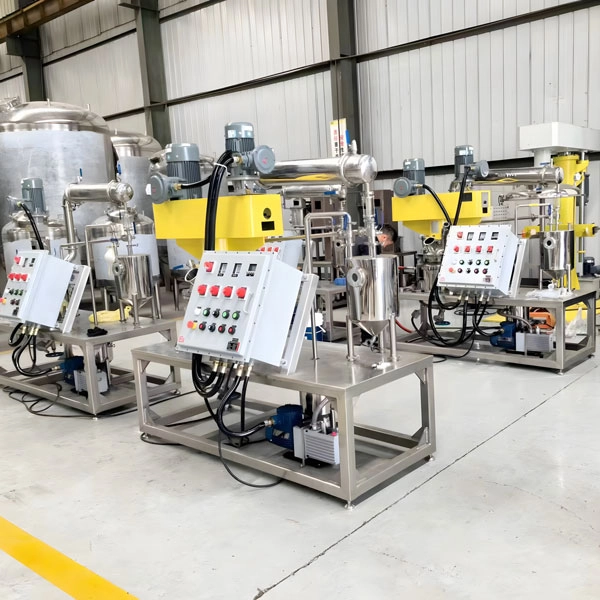
A modern Liquid Dosing System addresses these challenges by combining accurate flow control, stable pumping technology, and automated process management. Instead of relying on manual adjustment, the system continuously controls liquid delivery according to defined parameters, helping manufacturers achieve repeatable dosing performance and more reliable production results.
The core value of a Liquid Dosing System lies in its ability to control liquid addition with high accuracy and repeatability.
Unlike conventional transfer equipment, industrial dosing systems are designed to manage specific flow requirements. The system can monitor and adjust liquid delivery according to production conditions, ensuring that each batch receives the correct amount of material.
This capability is particularly important for industries where formulation accuracy directly affects product performance.
For chemical manufacturers, precise dosing helps maintain stable ratios between raw materials and additives. For paint and ink producers, accurate addition of pigments, solvents, and functional additives improves color consistency and coating performance. In food processing, controlled ingredient dosing supports standardized recipes and reduces variations between batches.
A reliable dosing system helps manufacturers achieve:
More accurate material proportions
Reduced raw material waste
Improved batch repeatability
Better control of production parameters
Lower risk of human operation errors
The performance of a dosing system depends on several technical factors, including flow measurement accuracy, sensor response, control algorithms, and system calibration. Higher precision configurations may require more advanced components, but they provide greater value in applications where product quality and material costs are critical.
Industrial liquids vary significantly in viscosity, chemical characteristics, and flow behavior. A dosing system designed for one type of material may not perform effectively with another. Therefore, pump selection and system design are essential parts of achieving stable operation.
Low-viscosity liquids may require high-speed precision pumping, while high-viscosity materials need stronger driving capability and stable pressure control. Chemical liquids with corrosive properties require compatible materials and reliable sealing solutions to prevent leakage and extend equipment service life.
A properly designed Liquid Dosing System considers:
Liquid viscosity range
Required flow rate
Chemical compatibility
Operating pressure
Production cycle requirements
The control system is another key factor affecting dosing performance. Modern industrial systems can integrate PLC control, flow sensors, automated recipes, and production line communication functions.
These automation features allow manufacturers to reduce manual adjustments and maintain consistent dosing conditions during long production cycles. Compared with manual addition methods, automated dosing reduces operator dependency and provides better process repeatability.
For companies moving toward intelligent manufacturing, the dosing system becomes an important part of the overall production control system rather than an independent machine.
When searching for Liquid dosing system manufacturers, industrial buyers should evaluate more than equipment appearance or basic specifications. A professional manufacturer needs to understand the relationship between liquid characteristics, production requirements, and system design.
Different industries require different dosing solutions.
Chemical manufacturers may prioritize corrosion resistance and precise chemical handling.
Pharmaceutical companies may require higher repeatability and strict process control.
Food processing companies may focus on hygienic design and stable ingredient measurement.
Coating manufacturers often need accurate dosing of additives, pigments, and solvents to maintain product consistency.
Because of these differences, experienced manufacturers must provide customized engineering solutions rather than standard equipment only.
RUMI Technology is a professional supplier focused on chemical equipment and solutions. The company serves global customers with reliable products, strict quality control, and efficient service, building long-term partnerships worldwide.
Since launching its first self-developed high-precision dosing system and high-efficiency mixing equipment in 2018, RUMI Technology has remained committed to becoming a professional fine chemical equipment service provider. Today, the company has developed into a global expert in fine chemical equipment solutions.
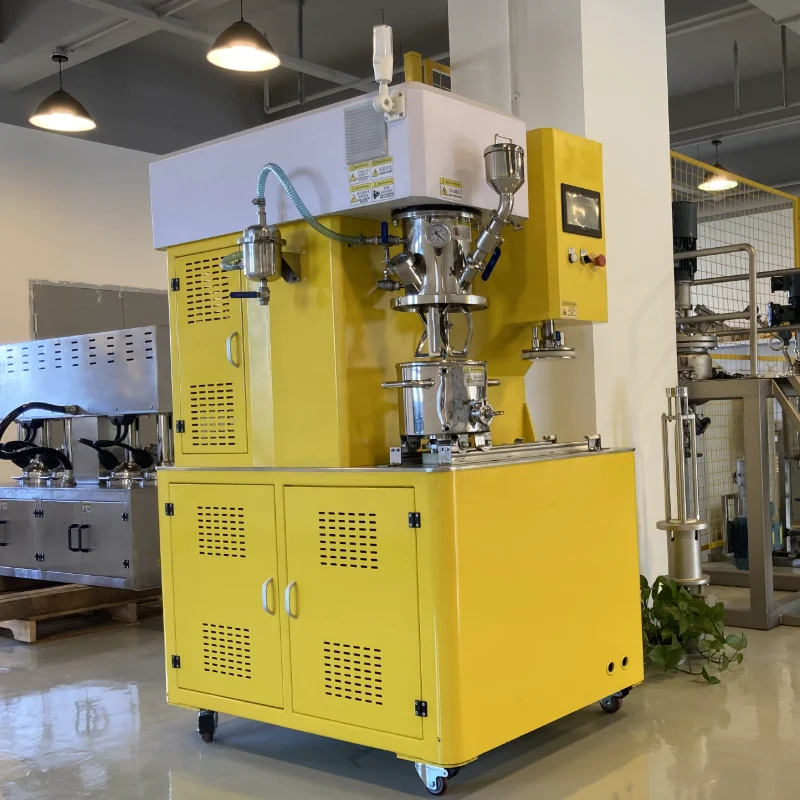
Through hundreds of research and development iterations, the RUMI Technology team has achieved numerous invention patents and established its own technical advantages in mixing and dosing technologies. The company focuses on customized solutions for different industries, including improving dosing accuracy for paint and ink enterprises, providing efficient mixing equipment for resin and new material manufacturers, and delivering system solutions for new energy and composite industries.
This experience allows RUMI to design dosing systems based on actual production conditions, including liquid characteristics, accuracy requirements, automation levels, and integration needs.
A capable manufacturer should also provide long-term quality assurance. RUMI Technology has established a quality management system featuring 72-hour factory testing and 24-hour after-sales response, while maintaining ISO9001 and CE certifications to support reliable industrial applications.
When companies search for Liquid dosing system price, the final investment depends on much more than the equipment itself. Different configurations directly influence accuracy, reliability, maintenance requirements, and production efficiency.
Understanding these factors helps buyers evaluate the actual value of a dosing system.
Higher accuracy requirements usually require more advanced measurement components, control systems, and calibration processes.
For industries using expensive additives or strict formulations, improved dosing accuracy can significantly reduce material waste and production losses.
A system designed for basic liquid transfer may have different cost structures compared with a high-precision dosing solution used for chemical formulations or pharmaceutical production.
The selected pump directly affects system performance and cost.
Factors include:
Flow range
Pressure requirements
Material viscosity
Chemical resistance
A pump suitable for low-viscosity liquids may not provide stable performance for thicker materials. Selecting the correct pump type improves operational reliability and reduces future maintenance issues.
Automation level is another major factor influencing Liquid Dosing System price.
Basic systems may provide simple dosing control, while advanced configurations can include:
PLC automation
Recipe management
Data monitoring
Feedback adjustment
Production line integration
Although advanced automation increases initial investment, it can improve production efficiency and reduce manual errors over the equipment lifecycle.
Industrial environments often require specific material configurations.
Chemical applications may require corrosion-resistant components, specialized seals, or stainless steel materials to ensure long-term operation.
Customized solutions may also include multiple dosing channels, special flow requirements, or integration with existing manufacturing systems.
These factors increase equipment cost but provide better compatibility with actual production needs.
The value of a Liquid Dosing System should not be measured only by purchase price. For manufacturers requiring accurate liquid addition and stable automated production, the right system can reduce material waste, improve product consistency, and lower operating costs over time.
By continuing to advance dosing and mixing technology, RUMI Technology is helping global fine chemical industries achieve more precise, efficient, and reliable production processes through intelligent equipment solutions.