 en
 vi
 it
 es
 tr
 ja
 pt
 nl
 ru
 fr
 de
 pl
 ar
News
Latest news and events.




Selecting industrial reactor equipment is not simply a matter of choosing a vessel with sufficient capacity. An unsuitable design can create temperature control difficulties, inadequate mixing, corrosion problems, complicated cleaning procedures, and unnecessary production interruptions. In processes involving exothermic reactions, pressure changes, viscous materials, or sensitive formulations, these issues can directly affect product consistency and operating safety.
For chemical manufacturers, fine chemical producers, pharmaceutical companies, and new materials manufacturers, reactor selection must reflect the actual process conditions. Vessel geometry, heat transfer, agitation, sealing, instrumentation, and control systems work together to determine whether equipment can meet production requirements.
When evaluating industrial reactor equipment manufacturers, buyers should therefore assess both engineering capability and manufacturing quality. Understanding these factors also helps purchasers compare industrial reactor equipment for sale based on technical suitability rather than initial price alone.
Industrial reactors are designed around different reaction mechanisms, material properties, and production methods. No single reactor configuration is suitable for every chemical process.
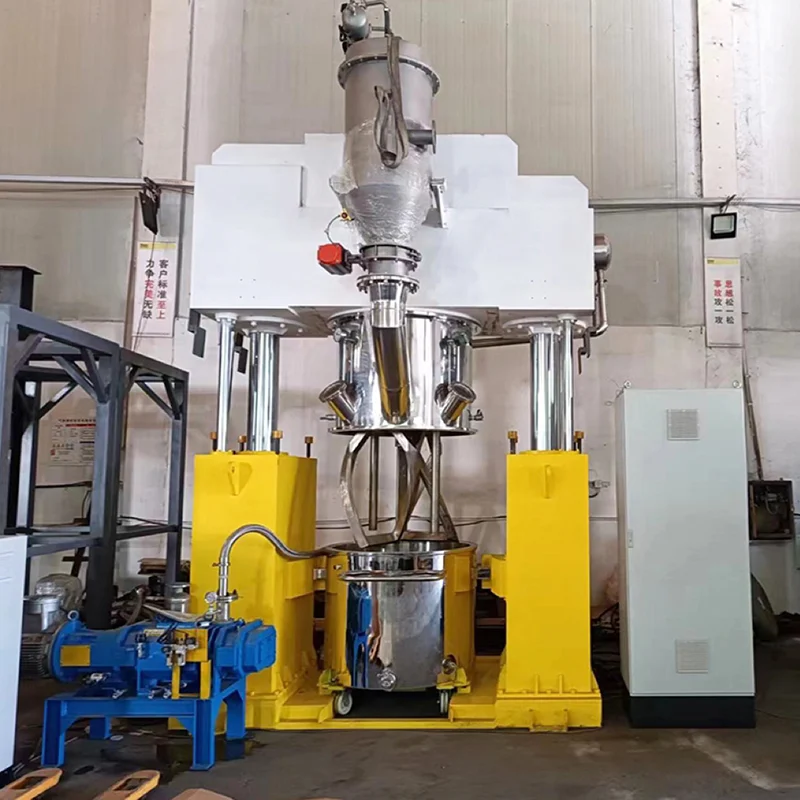
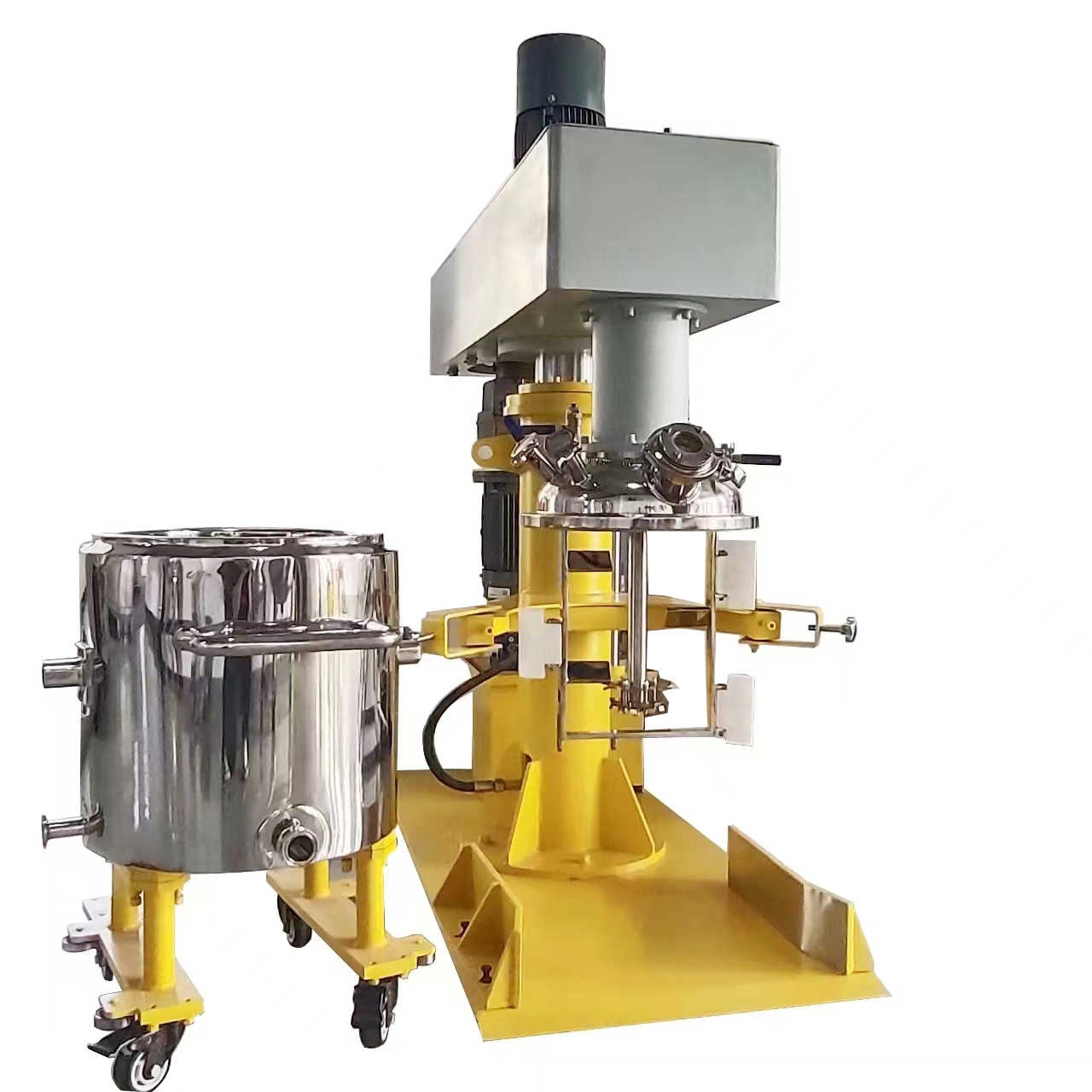
Stirred-tank reactors are widely used for batch reactions, blending, dissolution, and processes requiring controlled heating or cooling. Their versatility depends on the vessel geometry, agitator configuration, available heat transfer surfaces, and control strategy.
Continuous reactors, including tubular and other flow-based designs, may be appropriate when reactants need to pass through a controlled reaction zone at a defined flow rate and residence time. However, their suitability depends on reaction kinetics, fouling tendency, viscosity, heat release, and the required degree of process control.
Working volume should be determined from the required batch size or production throughput, material expansion, foaming behavior, and available operating space inside the vessel. Nominal vessel capacity is not necessarily equal to usable working volume.
Buyers should also consider expected production growth, cleaning frequency, and whether the process requires multiple stages. These factors can influence whether a single larger reactor or several smaller units offer a more practical production arrangement.
Material selection must account for the complete chemical environment, not just the primary reactant. Solvents, catalysts, cleaning agents, reaction intermediates, impurities, and operating temperatures can all influence corrosion behavior.
Stainless steel is commonly considered for chemical processing, but its suitability depends on the specific grade, chemical concentration, temperature, exposure duration, and potential corrosion mechanisms. Some applications may require other corrosion-resistant alloys or nonmetallic linings.
Where material compatibility is uncertain, buyers should request an engineering assessment based on the actual process composition and operating conditions. Corrosion allowance, surface finish, contamination sensitivity, and cleaning requirements should also be evaluated.
For pharmaceutical and high-purity applications, surface condition, cleanability, product-contact material documentation, and the potential for cross-contamination may be as important as mechanical strength.
Reaction temperature influences reaction rate, selectivity, viscosity, and final product properties. A reactor must therefore be designed to remove or supply heat at a rate appropriate for the process.
Jacketed vessels transfer heat through the vessel wall. Internal coils provide additional heat transfer surface but introduce considerations involving cleaning, flow distribution, and potential obstruction. The choice depends on the required heat duty, vessel geometry, available heating or cooling utilities, and maintenance priorities.
Buyers should provide expected operating temperatures, heat generation or absorption characteristics, temperature ramp requirements, and utility conditions. For strongly exothermic reactions, the engineering assessment should address heat removal under credible operating scenarios rather than relying solely on the nominal capacity of the heating or cooling system.
Agitator selection affects circulation, suspension, dispersion, and heat transfer. Impeller geometry and operating conditions should match liquid viscosity, solid content, gas introduction, and the mixing objective. A design suitable for low-viscosity blending may not provide adequate circulation for a highly viscous polymerization process.
Mechanical seals and other shaft-sealing arrangements must be selected according to pressure, temperature, shaft conditions, chemical compatibility, and leakage consequences. Hazardous or volatile media may require additional containment measures based on the process risk assessment.
Instrumentation should measure the variables needed to control the reaction, which may include temperature, pressure, liquid level, flow, and agitation speed. Automated control can coordinate heating, cooling, dosing, and agitation, while alarms and protective interlocks address defined abnormal conditions. Their exact configuration must follow the process hazard assessment and applicable requirements.
Choosing a supplier requires more than comparing product catalogs. Buyers need evidence that the manufacturer can translate process requirements into a workable mechanical and control design.
A qualified supplier should be able to discuss the reaction mechanism, material properties, operating sequence, heat transfer requirements, and production objectives before recommending a configuration. The manufacturer should also identify design assumptions and explain how unresolved process questions could affect equipment selection.
Customization may involve vessel geometry, jacket or coil arrangement, agitator design, nozzle positions, discharge configuration, instrumentation, and control-system integration. Buyers should confirm which components the supplier engineers and manufactures directly and which are provided by external specialists.
Project experience in a similar industry can be useful, but buyers should verify the relevance of that experience to their own chemistry, operating conditions, and cleaning requirements.
Fabrication quality affects pressure integrity, corrosion resistance, and long-term serviceability. Relevant evaluation points include material traceability, forming and machining procedures, welding qualifications, weld inspection, dimensional verification, and examination of pressure-retaining components.
The inspection and testing plan should be appropriate to the equipment design, governing code, service conditions, and contractual requirements. Buyers should clarify which examinations are included, what acceptance criteria apply, and which records will be delivered.
Useful documents may include approved drawings, material certificates, welding and inspection records, pressure-test documentation where applicable, operating instructions, maintenance recommendations, and instrument documentation.
Pressure-vessel code compliance and certification requirements vary by jurisdiction and application. A supplier’s general company certification should not automatically be interpreted as certification of every reactor it offers. Buyers should verify the exact standards, approvals, and documentation required for the project.
A practical purchase specification should identify the process medium and its chemical characteristics, design and operating temperatures, design and operating pressures, required working volume, batch or continuous operation, and expected production rate.
It should also define heating and cooling duties, agitator requirements, sealing arrangements, control-system interfaces, cleaning methods, installation constraints, and applicable safety requirements.
Providing this information early allows industrial reactor equipment manufacturers to propose more relevant configurations and reduces the risk of comparing quotations based on different assumptions.
The price of industrial reactor equipment for sale depends on the complete equipment specification. Two reactors with similar nominal capacities may have substantially different costs because their materials, pressure requirements, heat transfer systems, instrumentation, and fabrication requirements differ.
The principal cost factors include:
Vessel design and capacity: Geometry, usable volume, structural requirements, and pressure boundary design affect material quantities and fabrication complexity.
Contact materials: Alloy selection, corrosion-resistant construction, special linings, and surface finishing influence material and manufacturing costs.
Heating and cooling: Jacket or coil configurations, utility connections, and heat transfer requirements affect design and fabrication.
Agitation and sealing: Impeller arrangements, drive systems, mechanical seals, and associated accessories depend on the process conditions.
Automation and instrumentation: Sensors, control panels, variable-speed drives, control logic, and integration with existing plant systems influence project scope.
Inspection and project services: Required examinations, documentation, installation, commissioning, training, and after-sales support may contribute to the total project cost.
A meaningful quotation comparison should use the same technical specification and clearly distinguish included equipment, optional features, testing, documentation, and services.
Safe reactor operation depends on matching the equipment to the process hazards and maintaining it throughout its service life. Temperature and pressure monitoring, appropriately designed protective systems, suitable relief arrangements where required, and defined operating procedures should be addressed during engineering.
For exothermic or pressure-generating reactions, buyers should verify how credible abnormal conditions are assessed and how the proposed protective measures respond to them. Safety devices should not be assumed to be included unless explicitly identified in the specification.
Maintenance planning should cover seal inspection, agitator and drive maintenance, corrosion monitoring, instrument calibration, cleaning access, and the availability of replacement components. For pressure equipment, inspection intervals and procedures should follow applicable regulations, equipment requirements, and service conditions.
Lifecycle cost should include expected utilities, cleaning effort, consumables, spare parts, planned maintenance, and the potential consequences of unplanned downtime. A lower initial price may not represent better value if the configuration creates recurring operating difficulties.
Rumi is a professional supplier focused on chemical equipment and solutions, serving global customers with an emphasis on reliable products, quality control, and service.
Since launching its first self-developed high-precision dosing system and high-efficiency mixing equipment in 2018, RUMI Technology has focused on fine chemical equipment solutions. Its stated areas of application include paint and ink production, resin and new materials processing, and the new energy and composites industries.
The company describes its approach as developing customized dosing and mixing solutions around customer requirements. It also reports a quality assurance system featuring 72-hour factory testing and 24-hour after-sales response, alongside ISO 9001 and CE certifications.
For buyers considering a reactor-based production line, the relevant evaluation is how a supplier’s mixing, dosing, and system-integration capabilities fit the proposed process. Specific reactor designs, pressure ratings, material options, and equipment certifications should be confirmed against the actual project specification rather than inferred from a supplier’s broader product portfolio.
Selecting industrial reactor equipment requires a coordinated assessment of reaction chemistry, vessel structure, heat transfer, agitation, material compatibility, process controls, and safety requirements. Buyers should evaluate working volume and operating conditions alongside cleaning, maintenance, and installation needs.
When comparing industrial reactor equipment manufacturers, prioritize engineering transparency, documented manufacturing controls, appropriate inspection procedures, customization capability, and complete technical documentation. When evaluating industrial reactor equipment for sale, compare quotations against an aligned specification and consider lifecycle costs as well as the initial investment.
A reactor is a sound purchase when its design supports the actual process, its safety provisions address identified hazards, and its manufacturer can demonstrate the engineering and fabrication capabilities needed to deliver the specified equipment.