 en
en  vi
vi  it
it  es
es  tr
tr  ja
ja  pt
pt  nl
nl  ru
ru  fr
fr  de
de  pl
pl  ar
ar News
Latest news and events.

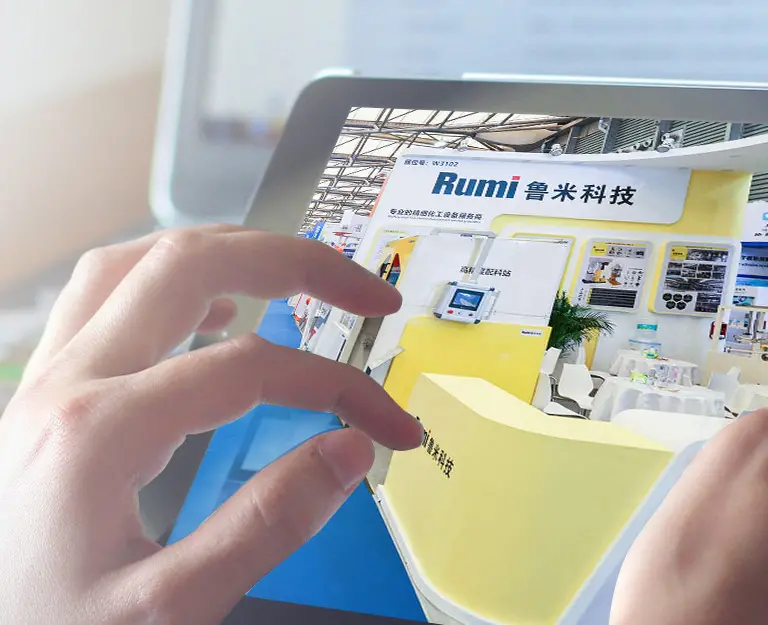


In industrial coating manufacturing, the concept of Paint Manufacturing Machine Price is never simply a procurement number. It is a direct reflection of how much process control, dispersion stability, thermal regulation, and multi-batch consistency the system can deliver under real production conditions. For engineering teams and procurement managers, the real evaluation is not “how much does the machine cost,” but “how reliably can this system reproduce the same coating quality across continuous, high-volume production cycles.”
Modern coating production is a multi-stage industrial process that integrates raw material dosing, high-shear dispersion, grinding, mixing, filtration, and automated filling into one continuous system. Any instability in one stage will propagate downstream and directly affect viscosity stability, color deviation, particle size distribution, and final film performance.
This is why buyers searching for Paint manufacturing equipment for sale are increasingly shifting from standalone machine thinking to full production line architecture evaluation. The system itself—not a single device—determines final coating quality and production efficiency.
RUMI Technology, a professional chemical equipment supplier specializing in fine chemical process systems, provides complete water-based industrial paint production lines ranging from 1,000 to 100,000 tons annual capacity. Since 2018, Rumi has focused on high-precision dosing systems, high-efficiency dispersion equipment, and integrated production line engineering for coatings, inks, resins, and advanced material industries. With ISO9001 and CE certification, multiple invention patents, and a 72-hour full-load factory testing system, Rumi develops engineered production systems designed for stable industrial-scale output rather than isolated equipment units.
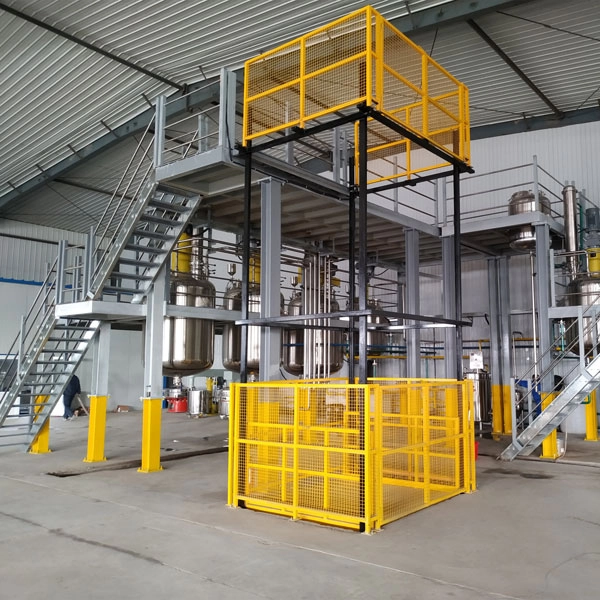
The cost of a paint manufacturing system is not driven simply by size or motor power. Instead, the Paint Manufacturing Machine Price is determined by the complexity of process integration, the level of dispersion control, and the degree of automation required to stabilize multi-phase chemical reactions under industrial conditions.
Industrial coating systems must simultaneously manage pigment dispersion, resin compatibility, thermal sensitivity, shear stability, and particle size control. Each of these parameters requires dedicated mechanical and control subsystems that increase both engineering complexity and system cost.
Key engineering cost drivers include:
Multi-phase pigment dispersion behavior: In real industrial coating systems, pigments exist as agglomerated clusters rather than fully separated particles, requiring controlled high-shear energy input to break down particle clusters and properly wet them within resin systems. This process must be carefully stabilized to prevent re-agglomeration during circulation, meaning the dispersing system must not only generate shear force but also maintain a controlled flow environment that ensures uniform dispersion throughout the entire batch volume.
High-viscosity shear resistance control: Many industrial coatings, especially epoxy-based or high-solid formulations, exhibit strong internal resistance to flow, which significantly increases mixing torque requirements and creates uneven shear distribution if not properly engineered. The equipment must maintain stable mechanical output under varying viscosity conditions while ensuring that shear energy is evenly distributed across the full tank volume without creating localized overheating or under-mixed zones.
Thermal stability during emulsification processes: Coating formulations are highly sensitive to temperature changes during dispersion and mixing stages. Excessive heat generated by mechanical shear can alter resin behavior, destabilize emulsions, and affect final film formation properties. Therefore, thermal control systems must continuously regulate heat accumulation through jacketed vessels, cooling circulation systems, and real-time temperature feedback loops to maintain consistent processing conditions.
Particle size distribution control during grinding: In industrial paint manufacturing, particle fineness directly determines gloss, opacity, surface smoothness, and storage stability. Grinding systems must not only reduce particle size but also maintain a narrow and stable distribution range. This requires precise control of bead impact energy, material circulation speed, and residence time within milling chambers to ensure consistent fineness across production batches.
Multi-batch consistency requirements in color formulation: Large-scale coating production requires extremely strict repeatability across multiple batches, where even small deviations in dispersion time, pigment concentration, or mixing intensity can result in visible color variation. To eliminate operator-dependent variability, production systems rely on automated control architectures that ensure identical process conditions are replicated across every batch.
The final system price is also strongly influenced by how each subsystem is engineered and integrated into a continuous production flow.
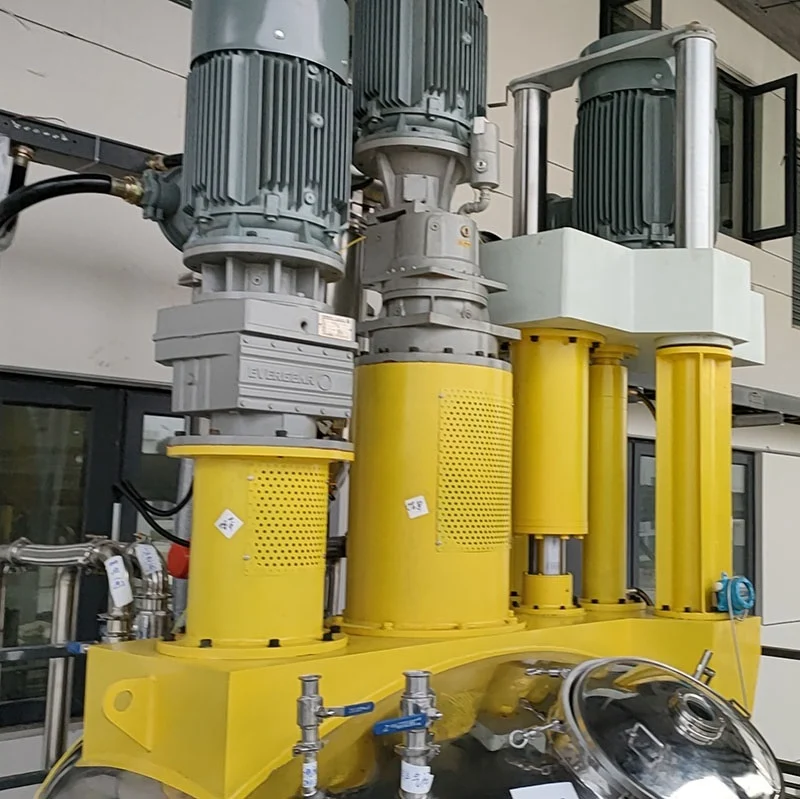
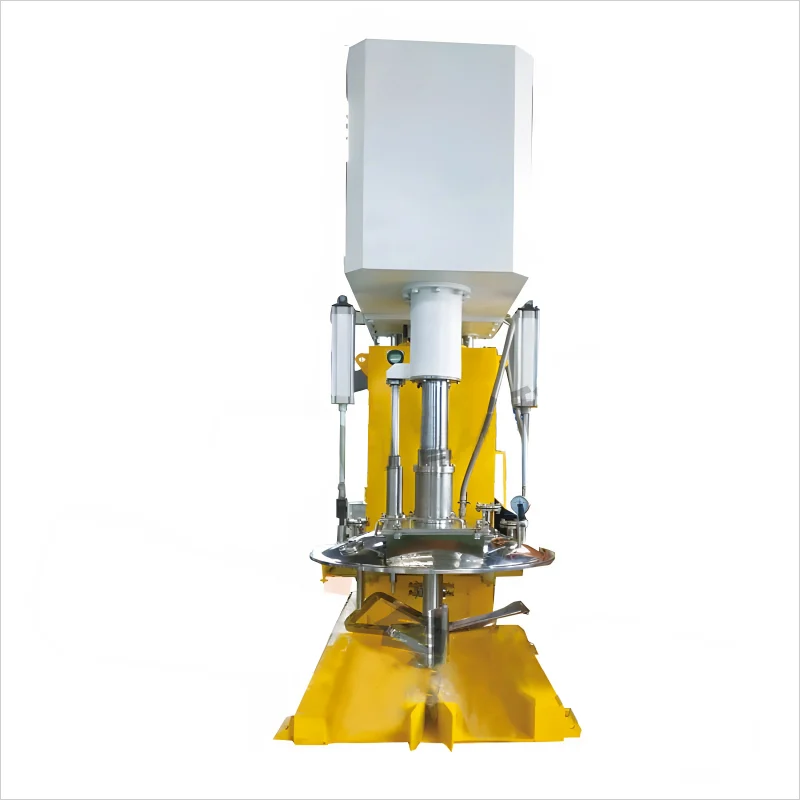
Dispersion system configuration and shear design: High-speed dispersers form the core of any paint production system, responsible for breaking down pigment agglomerates and initiating uniform wetting within resin systems. Advanced systems use frequency-controlled motors, dynamically balanced dispersion discs, and optimized blade geometries that improve shear efficiency and reduce processing time, but these enhancements require precision engineering, vibration control, and higher-grade material construction, all of which increase system complexity and cost.
Grinding and particle refinement systems: Horizontal sand mills or bead mills are responsible for achieving final particle size reduction and distribution control. These systems require wear-resistant chamber materials, controlled bead dynamics, and highly efficient cooling systems to maintain stable operation during continuous production cycles, particularly in high-solid coating applications where heat generation and mechanical wear are significantly higher.
Thermal control and jacketed vessel integration: Temperature stability is critical in coating production, and jacketed mixing vessels with integrated cooling or heating systems ensure that process temperature remains within defined limits throughout long production cycles. This prevents resin degradation, viscosity drift, and emulsification instability, but also increases structural complexity and system integration requirements.
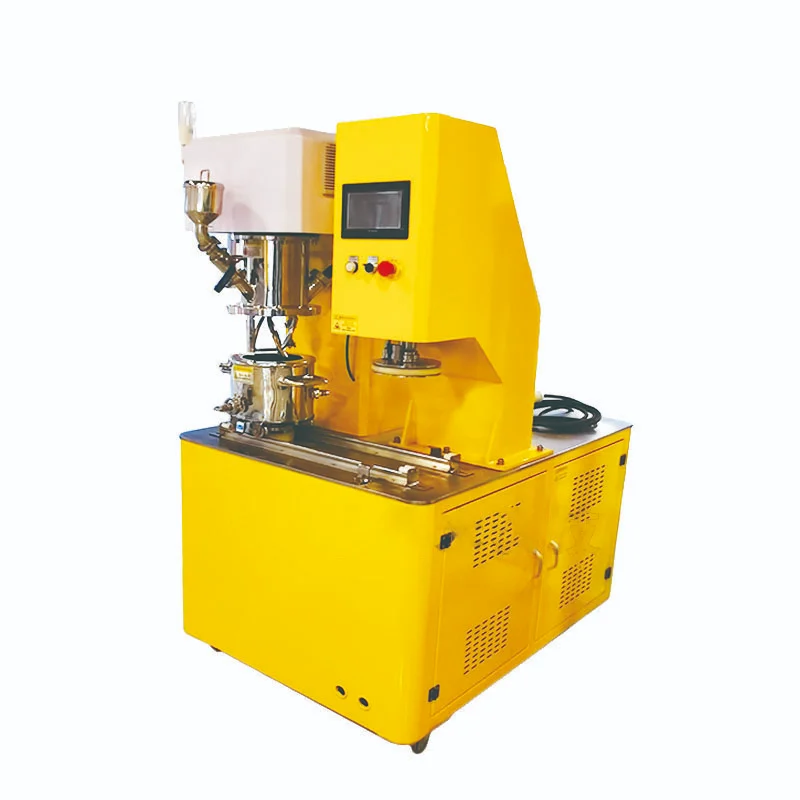
PLC-based automation and process synchronization: Modern paint manufacturing systems rely heavily on PLC control systems to synchronize dosing, dispersion, grinding, and filling operations. These systems integrate load cells, flow meters, temperature sensors, and motor controllers to ensure precise process coordination, reduce human error, and maintain consistent batch-to-batch repeatability under continuous industrial operation.
A complete industrial paint production line is a fully integrated engineering system rather than a collection of independent machines. For example, a 10,000-ton/year water-based paint production line typically includes:
Raw material storage and dosing system: This subsystem ensures controlled storage and precise metering of resins, pigments, additives, and solvents, establishing the foundational accuracy required for stable formulation and minimizing variability at the earliest stage of production.
Powder feeding and metering system: Powder handling units are designed to maintain stable mass flow of pigments and fillers while preventing bridging, clogging, or inconsistent discharge behavior, ensuring that solid components enter the system under strictly controlled dosing conditions.
Water and emulsion feeding modules: These systems manage liquid-phase introduction into the production process, ensuring gradual and controlled viscosity transition that prevents emulsification shock and maintains stable mixing behavior during early-stage blending.
Additive precision dosing systems: Small-quantity additives such as dispersants, defoamers, and stabilizers must be metered with extremely high accuracy, as even minor deviations can significantly affect coating performance, stability, and long-term storage behavior.
Dispersing and mixing vessels: These are the core process units where pigment wetting, dispersion, and initial homogenization occur under controlled shear and circulation conditions, ensuring uniform distribution of all formulation components.
Horizontal sand milling systems: Milling units perform fine particle size reduction through controlled bead impact and circulation dynamics, directly influencing final coating smoothness, gloss, and performance stability.
Filtration and filling systems: These systems remove oversized particles and ensure final product cleanliness before controlled filling into packaging containers, maintaining product integrity and preventing contamination.
PLC control and instrumentation systems: Centralized automation systems integrate all process stages into a unified control architecture, enabling real-time monitoring and adjustment of temperature, viscosity, flow rate, and motor load conditions throughout production.
Steel structure platforms and piping systems: These structural elements support equipment installation and ensure safe, efficient material transfer between process units, forming the physical backbone of the production line.
Vacuum, air compression, and dust removal systems: Auxiliary systems support vacuum processing when required, provide pneumatic energy for automated components, and control dust emissions during powder handling to ensure operational safety and environmental compliance.
RUMI Technology focuses on delivering fully integrated paint production systems rather than standalone machinery. Since 2018, the company has developed high-efficiency mixing and dosing systems designed specifically for coatings, inks, resins, and new material industries.
Rumi systems are built around:
High-efficiency dispersion and controlled shear architecture
Precision dosing systems for multi-component formulations
Fully integrated PLC automation control platforms
Modular production line design based on annual capacity requirements
72-hour full-load factory testing before delivery
24-hour global technical response support system
This engineering-driven approach ensures that every Paint manufacturing equipment for sale solution is optimized not only for initial installation but also for long-term production stability, batch consistency, and energy efficiency.
The real meaning behind Paint Manufacturing Machine Price lies in process capability, system integration depth, and long-term production stability—not in isolated equipment cost.
Similarly, Paint manufacturing equipment for sale should be evaluated as a complete engineered production system designed to control dispersion, grinding, thermal behavior, and formulation consistency across continuous industrial operation.
For coating manufacturers seeking scalable and stable production capability, system-level engineering is the key factor that determines long-term competitiveness in industrial paint manufacturing.