en
 vi
 it
 es
 tr
 ja
 pt
 nl
 ru
 fr
 de
 pl
 ar
News
Latest news and events.




In composite material manufacturing, the quality of the final product depends heavily on how accurately and consistently different raw materials are combined. Resin and filler separation, powder agglomeration, uneven additive distribution, inconsistent fiber wetting, and trapped air can all affect the performance of the finished material. These problems may lead to variations in mechanical properties, surface defects, unstable curing behavior, and increased production waste.
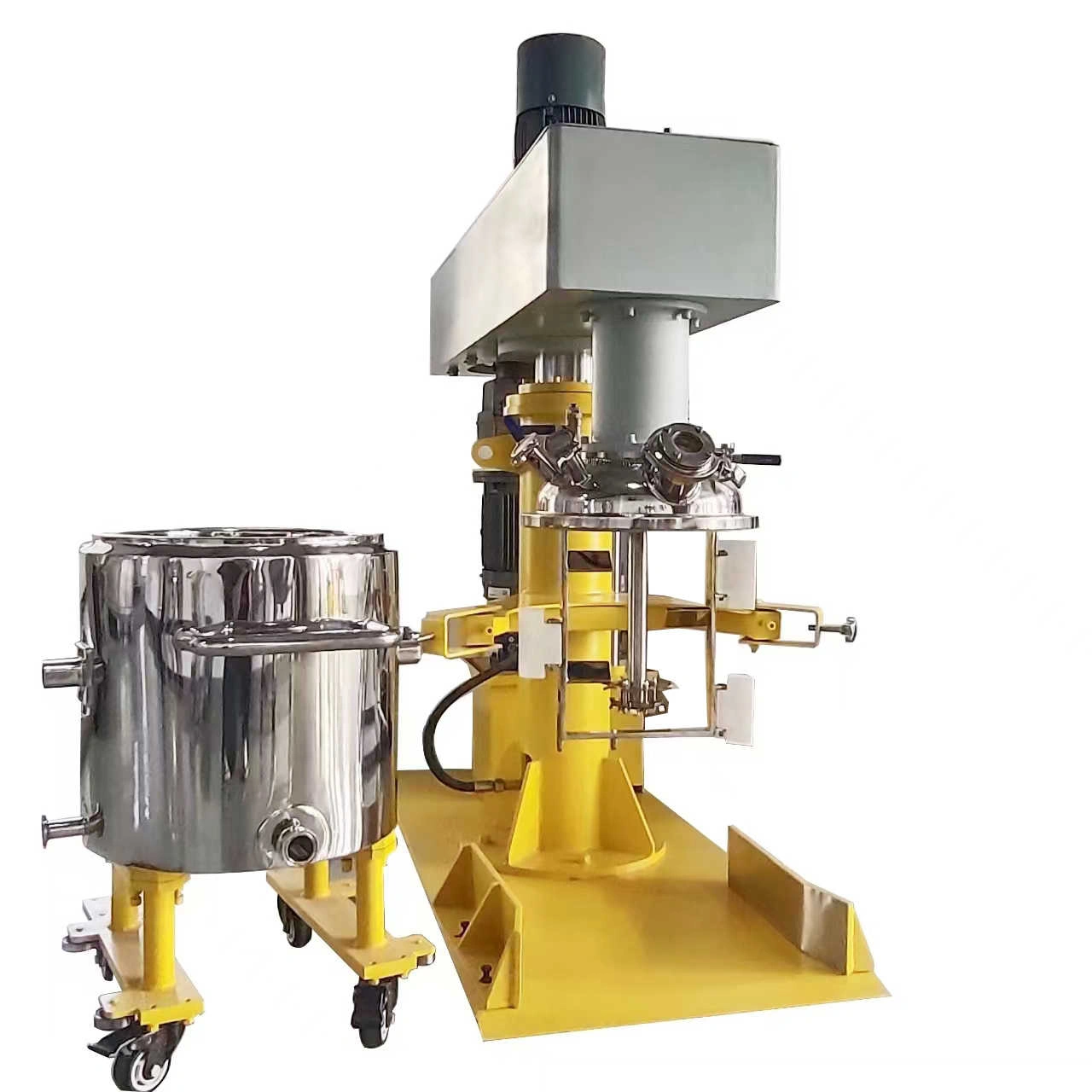
For manufacturers working with glass fiber, carbon fiber, resin-based composites, and filler-modified materials, selecting the right Composite Material Mixing Equipment is therefore an important production decision. A suitable mixing system must handle different material viscosities, component ratios, particle characteristics, and processing requirements without compromising material integrity.
Professional Composite material mixing equipment manufacturers focus on more than supplying a motor and mixing vessel. Equipment design must consider agitator geometry, rotational speed, shear distribution, temperature management, vacuum conditions, and batch capacity. Working with an experienced composite material mixing equipment supplier also helps manufacturers match equipment configurations with their actual formulations and production processes.
Different composite formulations require different mixing mechanisms. Mechanical agitation, high-speed dispersion, high-shear mixing, planetary mixing, and vacuum mixing each perform specific functions. Understanding their differences is essential when selecting equipment.
Mechanical agitation is commonly used to combine liquid components, maintain material circulation, and achieve general formulation uniformity. Depending on the impeller design, the system generates axial or radial flow to move materials throughout the mixing vessel.
For relatively low- to medium-viscosity resin systems, conventional agitators can provide effective bulk mixing. They are useful for blending resin components, liquid additives, and other ingredients that do not require intensive particle deagglomeration.
However, ordinary agitation does not necessarily break down powder agglomerates or distribute fine fillers evenly. When materials have high viscosity or contain significant quantities of solid particles, conventional mixing alone may be insufficient.
High-speed dispersion is particularly useful when incorporating pigments, mineral fillers, and functional powders into liquid resin systems. A dispersing blade creates strong local shear and material circulation, helping separate particle clusters and distribute solid components throughout the liquid phase.
High-shear mixing applies more intensive mechanical action to reduce agglomeration and improve dispersion. It can be appropriate for demanding formulations involving fine powders, high filler loading, or materials with complex rheological behavior.
Nevertheless, higher shear is not always better. Excessive mechanical stress may increase material temperature, change resin viscosity, or damage sensitive ingredients. In formulations containing fibers, inappropriate shear conditions may shorten fibers or disturb their original structure.
Manufacturers should therefore evaluate shear requirements against the particle characteristics, fiber length, resin properties, and intended composite performance.
Planetary mixing is designed for materials that are difficult to process using conventional agitators. In a typical planetary system, mixing elements rotate around their own axes while simultaneously moving around the vessel.
This combined movement helps reduce stagnant areas and improves material exchange throughout the mixing chamber. It is particularly suitable for high-viscosity resin compounds, adhesive formulations, filled polymer systems, and certain fiber-reinforced pastes.
For formulations containing substantial quantities of fillers, planetary mixing can help achieve more consistent distribution while maintaining controlled material movement. The actual mixing performance depends on the blade configuration, vessel geometry, clearance, rotational speed, and formulation characteristics.
Air entrainment is a common concern in composite manufacturing. Bubbles trapped in resin can create internal voids, surface defects, and weak areas in the finished product.
Vacuum mixing combines mechanical agitation with a controlled vacuum environment. By reducing the surrounding pressure, the system helps remove entrained air from suitable resin formulations while the mixing mechanism maintains material movement.
Vacuum mixing is particularly relevant to resin systems, adhesives, and filled compounds where air removal is important before subsequent molding, casting, or curing.
However, vacuum conditions must be matched to material viscosity, vapor pressure, temperature, and formulation behavior. Excessive vacuum or inappropriate processing conditions may cause foaming, volatile component loss, or unstable material handling.
When evaluating Composite Material Mixing Equipment, engineers should consider several interconnected parameters:
Agitator design: Determines material circulation, shear distribution, and the ability to reach different areas of the vessel.
Rotational speed: Influences mixing intensity, dispersion performance, and heat generation.
Drive power and torque: Must accommodate the material's viscosity and resistance during different processing stages.
Mixing time: Needs to be established through formulation-specific testing rather than relying on a universal processing cycle.
Temperature control: Helps manage viscosity changes and prevent unwanted thermal effects during mixing.
Working capacity: Should account for the material's expansion, circulation requirements, and effective operating volume rather than nominal vessel volume alone.
The most suitable configuration is determined by the complete material system, not by a single equipment specification.
Different composite material systems place different demands on mixing equipment. A configuration that performs well with liquid resin may not be appropriate for a highly filled compound or a formulation containing long reinforcing fibers.
In glass fiber and carbon fiber composite manufacturing, resin distribution and fiber wetting are important factors affecting material quality.
The mixing stage may involve preparing the resin matrix, incorporating additives, and dispersing compatible fillers before the resin is combined with reinforcement materials.
It is important to distinguish resin preparation from fiber impregnation. A high-speed disperser can effectively distribute suitable powders and additives, but it does not automatically provide the controlled fiber wetting required by every composite process.
For chopped-fiber compounds or fiber-containing pastes, the mixing structure must balance material distribution with fiber preservation. Excessive shear can reduce fiber length, potentially affecting the reinforcement efficiency of the finished composite.
Equipment selection should therefore consider fiber length, fiber architecture, resin viscosity, and the intended downstream process, such as molding, pultrusion, or other composite forming methods.
Resin-based composites frequently contain mineral powders, functional fillers, pigments, and chemical additives. These ingredients may differ considerably in particle size, density, surface characteristics, and compatibility with the resin.
Poor dispersion can result in agglomeration, inconsistent material properties, and unstable processing behavior.
For these formulations, a staged mixing process may be more effective than relying on one mixing mechanism. Mechanical agitation can first establish bulk circulation, followed by high-speed dispersion or another suitable mixing stage to improve filler distribution.
For highly viscous formulations, planetary mixing may provide better material exchange. If air inclusion is a concern, vacuum processing can be incorporated into the production sequence.
The final configuration should be validated against the actual formulation, especially when filler loading or resin viscosity changes significantly.
Mixing performance is not determined by the agitator alone. Supporting systems also influence production stability.
Temperature control is important because resin viscosity often changes with temperature. Excessive heat generated by mechanical mixing may affect processing behavior or accelerate unwanted reactions in temperature-sensitive formulations. Jacketed vessels and suitable heating or cooling systems can help maintain the required process conditions.
Feeding systems should support accurate ingredient addition and appropriate feeding sequences. Fine powders may require controlled feeding to avoid excessive dust, local agglomeration, or sudden viscosity increases.
Sealing and vacuum systems must maintain reliable operating conditions, particularly when processing materials under vacuum or handling formulations that are sensitive to moisture and air inclusion.
Discharge design should reflect material viscosity and production requirements. Highly viscous compounds may require specialized discharge arrangements to reduce residual material and improve batch transfer.
Automation can also help control mixing sequences, speed adjustments, temperature conditions, and processing records. However, the control strategy must be based on actual formulation requirements rather than adding automation without a defined process objective.
Before purchasing equipment, manufacturers should evaluate:
Material viscosity at different processing stages.
Resin-to-filler ratios and solid loading.
Fiber length and reinforcement structure.
Required batch size and target production capacity.
Mixing time and total production cycle.
Cleaning requirements and formulation changeover frequency.
Compatibility with upstream feeding and downstream forming equipment.
These factors help determine whether a conventional mixer, high-speed disperser, planetary mixer, vacuum mixing system, or a customized combination is appropriate.
Selecting equipment is also a decision about the manufacturer's engineering capabilities and long-term technical support.
Experienced Composite material mixing equipment manufacturers should understand how material properties influence equipment configuration.
Purchasers should ask whether the manufacturer can evaluate actual formulations, recommend appropriate mixing mechanisms, and explain why a particular agitator structure or drive configuration is suitable.
A supplier that only provides standard equipment specifications without understanding viscosity, filler loading, or fiber characteristics may not be able to solve more demanding production problems.
Material testing and sample mixing are particularly valuable when the formulation is new or has complex processing requirements.
Equipment reliability depends on the quality of its mechanical structure, drive system, sealing components, control system, and material-contact surfaces.
Purchasers should examine vessel construction, welding quality, surface treatment, component selection, sealing performance, and the manufacturer's inspection procedures.
Customization is another important consideration. Different production processes may require different vessel capacities, agitator combinations, vacuum configurations, temperature control systems, feeding arrangements, and discharge structures.
A capable composite material mixing equipment supplier should be able to translate these requirements into a practical equipment design.
The purchase price of mixing equipment depends on several factors:
Working capacity and vessel construction.
Agitator type and mixing mechanism.
Motor power and torque requirements.
Vacuum system configuration.
Heating and cooling arrangements.
Contact material and surface finishing.
Automation and control system complexity.
Custom engineering and installation requirements.
Purchasers should avoid comparing quotations based only on nominal capacity or motor power. Two mixers with similar specifications may have substantially different performance when processing high-viscosity or heavily filled formulations.
A more meaningful comparison considers the actual production cycle, material recovery, cleaning time, maintenance requirements, and expected equipment service life.
Before placing an order, buyers should confirm the manufacturer's quality control procedures, factory testing arrangements, delivery schedule, installation support, operating training, spare parts availability, and maintenance response process.
These factors directly affect equipment commissioning and long-term production continuity.
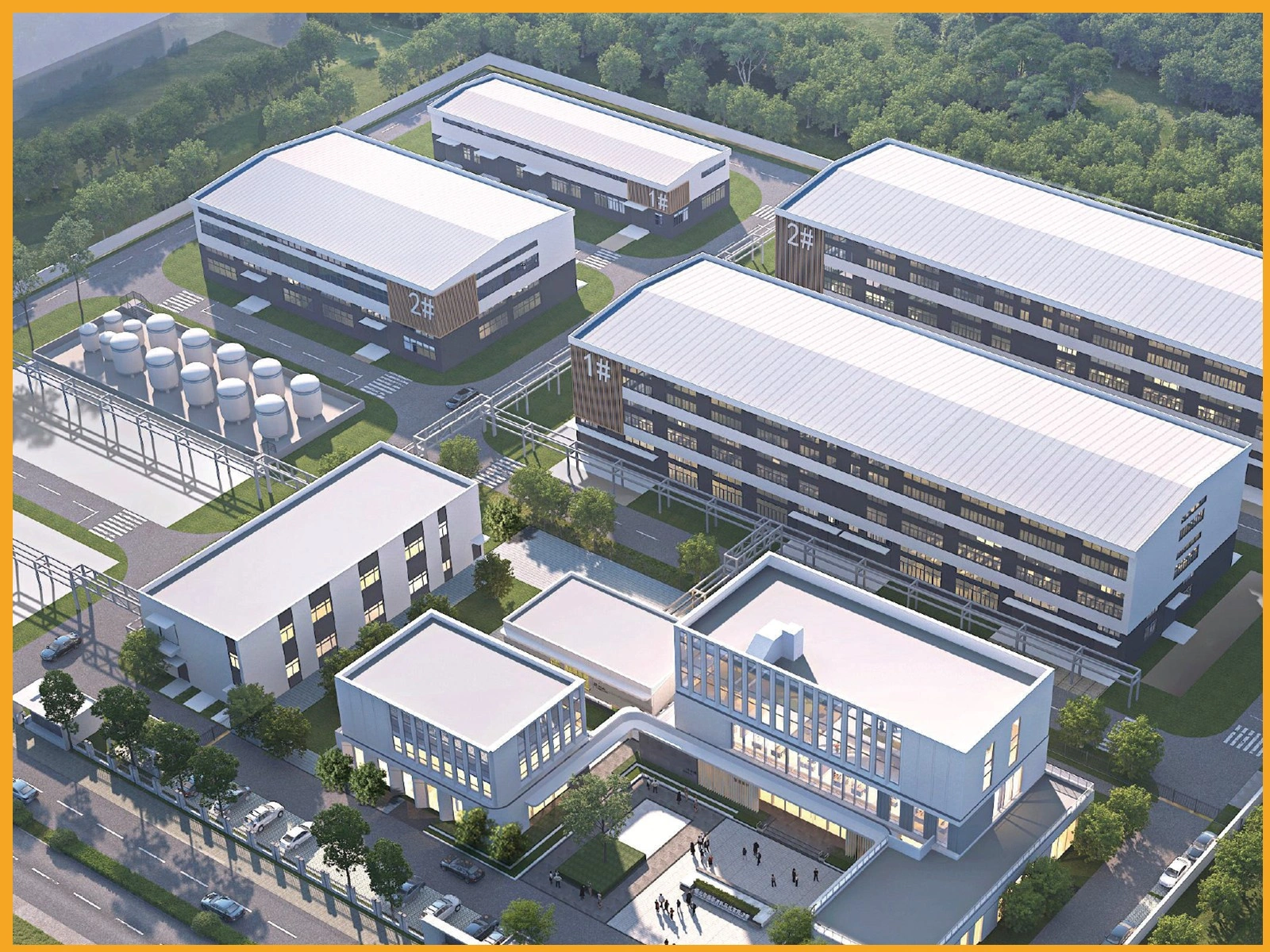
RUMI Technology has focused on fine chemical equipment solutions since launching its first self-developed high-precision dosing system and high-efficiency mixing equipment in 2018. Through continued research and development, the company has developed customized solutions for paint and ink manufacturers, resin and new materials producers, and businesses in the new energy and composites industries.
Its approach combines mixing equipment development with high-precision dosing solutions, addressing the need for controlled material preparation in different industrial applications. RUMI has also established a quality assurance system featuring 72-hour factory testing and 24-hour after-sales response, with ISO9001 and CE certifications.
For composite material manufacturers evaluating equipment suppliers, this combination of mixing experience, dosing technology, customization, and technical service provides useful criteria when assessing a potential manufacturing partner. Actual equipment configurations should still be verified against the specific formulation and production requirements.
Choosing the right Composite Material Mixing Equipment requires a clear understanding of material characteristics, mixing objectives, and downstream production requirements. Mechanical agitation, high-speed dispersion, high-shear mixing, planetary mixing, and vacuum processing serve different purposes and should not be treated as interchangeable technologies.
Manufacturers should evaluate resin viscosity, filler properties, fiber structure, required mixing capacity, temperature conditions, vacuum requirements, and production cycle before selecting a system.
Equally important is choosing a manufacturer that understands industrial mixing processes and can provide appropriate equipment design, customization, testing, and after-sales support.
By evaluating both technical performance and long-term operating costs, composite material manufacturers can select a mixing solution that supports consistent material quality, reliable production, and sustainable manufacturing efficiency.